
Combating Food Waste: Creative Ways to Repurpose Stale Bread

Recently, I tuned into a podcast about food waste. It was originally in Swedish and, for those of you interested, here’s the link. The podcast was laden with statistics on the sheer amount of food we carelessly discard and the resultant carbon footprint. It’s essential to be aware of these numbers, but they can be overwhelming to grasp.

What resonates more with me, especially as someone who grows her own food, is the labor and potential nourishment lost. Someone cultivated the food we discard. If you, like me, have dabbled in farming or gardening, you know that every harvest holds value beyond monetary terms.

Decades ago, Swedes farmed for sustenance. Every slice of bread mattered – wasting even a crust felt like a sin. Each potato harvested signified food for families during the harsh winter and spring. Essentially, every morsel meant life. During the 19th century, when crops failed in Sweden, people migrated to distant lands, primarily the USA, to save their children from starvation. Today, most of us farm for pleasure, save for professional farmers. We live in a society accustomed to abundance. Supermarket aisles overflow with produce, and seasonal fruits and vegetables are available year-round. If my crops fail, I can simply buy food. This luxury has sadly made us undervalue the worth of food.

Bread is one item that often gets tossed out. Understandably, fresh bread trumps old, stale loaves. So, the old bread remains in the bag, getting overshadowed by the newly bought or baked ones, and eventually molds, leading to its inevitable disposal. Does this sound familiar? It’s relatable, but not justifiable.

But what can be done? Eating stale bread just for the sake of reducing waste might not be a long-term solution. The answer? Let’s transform that stale bread into delicious dishes!

Below, I’ve compiled some scrumptious recipes to make the most out of your old bread. Check out the links and find what appeals to you. And if you discover a favorite or have additional tips, share them in the comments. Together, let’s reduce food waste, one crust at a time!

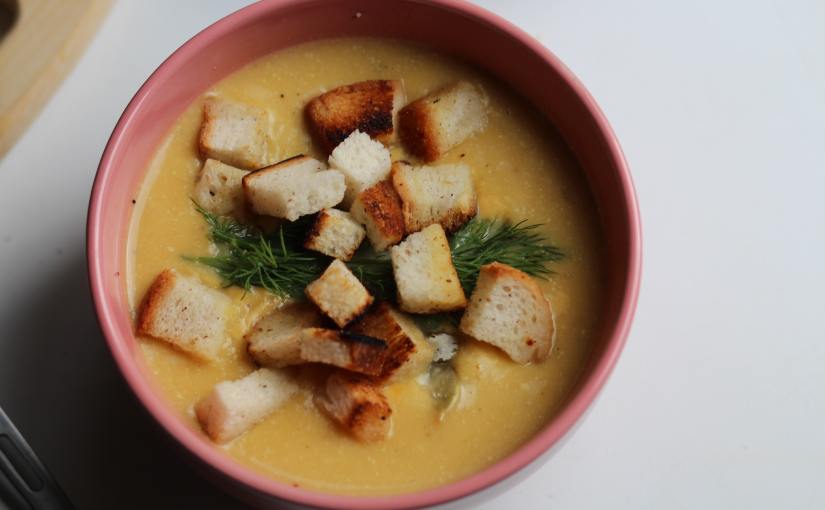
  1. Croutons
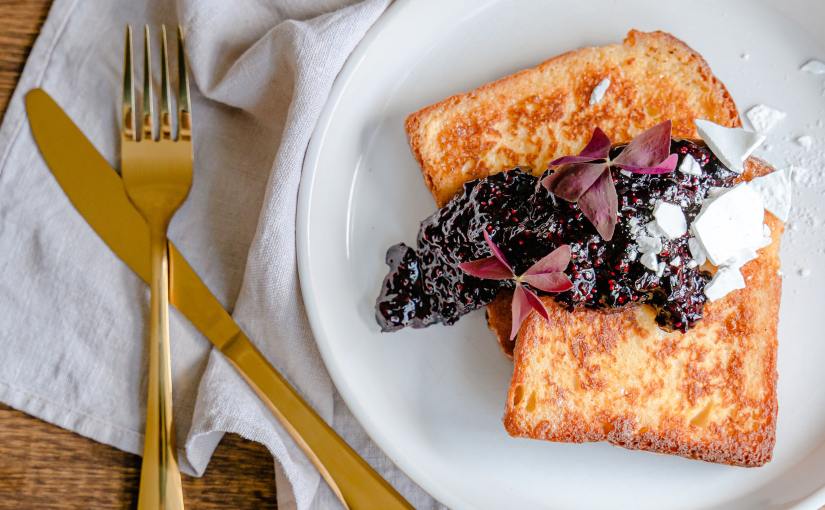
  2. French Toast (or “Poor Knights” in Swedish)
  3. Breadcrumbs

Wishing you deliciousness, Amanda

Cover image by Rachel Claire.
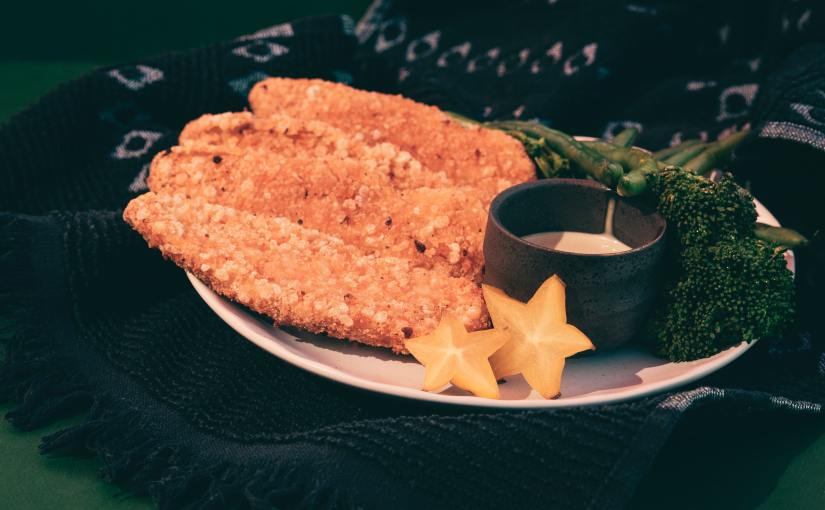
Breadcrumbs

Perfect for: Coating, binding, or topping various dishes.

Ingredients:

  • Stale bread
  • Optional seasonings (e.g., garlic powder, dried herbs)

Instructions:

  1. Preheat your oven to 150°C (300°F).
  2. Break or cut your stale bread into chunks and spread out on a baking sheet.
  3. Dry in the oven for about 10-15 minutes, but don’t let them brown.
  4. Remove from the oven and let cool.
  5. Once cooled, place them in a food processor or blender.
  6. Pulse until you get the desired breadcrumb consistency.
  7. If you wish, add in your preferred seasonings and pulse a few more times to mix.
  8. Store in an airtight container.

Remember, this recipe is a guideline. Feel free to adjust it to your personal taste or to accommodate the ingredients you have on hand. Enjoy!

Looking for more ways to utilize stale bread? Check out our other inventive recipes that breathe new life into leftover loaves and transform them into culinary delights!

//Amanda

Cover image by Karen Laårk Boshoff. The image is a serving suggestion.

French Toast (or “Poor Knights”)

Perfect for: A hearty breakfast or brunch treat.

Ingredients:

  • Stale bread slices – 4 to 6 slices
  • 2 large eggs
  • 2 1/4 dl (1/2 cup) of milk
  • 1 teaspoon of vanilla extract
  • 1/2 teaspoon of ground cinnamon
  • 2 tablespoons of butter for frying
  • Maple syrup or powdered sugar for serving

Instructions:

  1. In a mixing bowl, whisk together eggs, milk, vanilla extract, and ground cinnamon.
  2. Heat a skillet or frying pan over medium heat and add butter.
  3. Dip each slice of stale bread into the egg mixture, ensuring both sides are soaked.
  4. Fry each side of the soaked bread slices in the buttered skillet until golden brown.
  5. Serve hot with fresh fruit och berries, jam, maple syrup or a sprinkle of powdered sugar.

Remember, this recipe is a guideline. Feel free to adjust it to your personal taste or to accommodate the ingredients you have on hand. Enjoy!

Looking for more ways to utilize stale bread? Check out our other inventive recipes that breathe new life into leftover loaves and transform them into culinary delights!

//Amanda

Cover image by Antoni Sckraba. The image is a serving suggestion.

Croutons

Perfect for: Adding a crunchy element to soups and salads.

Ingredients:

  • Stale bread (any kind) – roughly 3 cups when cubed
  • 3 tablespoons of olive oil or melted butter
  • 1 teaspoon of garlic powder (optional)
  • Salt to taste
  • A pinch of dried herbs (like rosemary or thyme) – optional

Instructions:

  1. Preheat your oven to 190°C (375°F).
  2. Cut your stale bread into 1-inch cubes.
  3. In a large mixing bowl, combine olive oil (or melted butter), garlic powder, salt, and dried herbs.
  4. Toss the bread cubes in the mixture, ensuring each cube is well-coated.
  5. Spread the coated bread cubes on a baking sheet in a single layer.
  6. Bake in the preheated oven for 10-15 minutes or until golden brown and crispy, turning halfway for even crisping.
  7. Let cool and store in an airtight container.

Remember, this recipe is a guideline. Feel free to adjust it to your personal taste or to accommodate the ingredients you have on hand. Enjoy!

Looking for more ways to utilize stale bread? Check out our other inventive recipes that breathe new life into leftover loaves and transform them into culinary delights!

//Amanda

Cover image by Katana. The image is a serving suggestion.

Embracing Nature’s Transitions: A Mindfulness Opportunity

Every fall, I’m deeply moved by the profound transformation that occurs in nature. On one hand, this change sneaks in subtly, while on the other, it can be sudden and dramatic. The color variations in an entire forest may shift slowly, but a single tree can transform virtually overnight after a frost. Autumn often conjures up images of vibrant colors and the transition from warm summers to cooler temperatures. However, there’s more – a shift in the fragrances in the air and the textures of clothes we don as the chill sets in.

Practicing mindfulness involves harnessing our senses to immerse in the present moment and focus. These seasonal transitions offer a beautiful backdrop to pause, relish the moment, and absorb the ongoing metamorphosis. If we don’t, time speeds by, and before we know it, autumn’s splendor has passed unnoticed.

Seeing New Colors

During autumn, nature undergoes a palette swap. While summer is characterized by a lush green canvas dotted with vibrant blooms, autumn doesn’t conform to a monochrome backdrop. Here, especially in southern Sweden, the landscape is painted primarily in hues of gold, brown, and red. These colors merge and mix, creating a harmonious view without any single element standing out. Take a moment to observe your surroundings. Refrain from labeling them as beautiful or not; simply witness them.

The Changing Fragrance

Do you sense the freshness, almost a crispness in the air? To me, the cool air feels like a refreshing dip on a scorching summer day. This invigorating air carries unique aromas, varying based on your location. When I walk through our woods near the house, summer air is perfumed with the scent of pine. Come autumn, the fragrance shifts to moist leaves and mushrooms. Explore and identify the scents around you. Instead of pinpointing the source, immerse yourself in the fragrance without judgment.

Autumn’s Attire

In summer, clothing often feels like a necessary inconvenience. Though they provide protection against the sun, many of us prefer lightweight, breezy attire for comfort during warm days. With the advent of autumn, I revel in outfits that I can truly feel on my skin – clothes that warm, embrace, and protect. While I adore snuggling into cozy turtlenecks and warm socks, I often overlook truly experiencing them. This year, I aim to pause, to truly feel the fabric against my skin, meditating on the contact between cloth and skin. Again, the focus isn’t on judgment, but on being in the present moment, feeling the autumn attire.

Savor the shift, cherish the autumn!

Warmly, //Amanda

Cover image by The Vegan Monster

Reflecting on Your Harvest: The Interplay of Diligence and Systematics

As autumn draws near, the gardening season is still a fresh memory, and this is the moment we get to witness the fruits of our year-long labor in planting, tending, weeding, and watering. Many garden enthusiasts are immersed in chores around this time. Still, like me, many also try to extract the last bit of charm from their gardens before it goes dormant for the year. Hence, now is the ideal time to sit, prioritize orderliness, and jot down reflections and learnings from the past gardening year. For me, the best spot to do this is outdoors, of course!

Lessons for the Upcoming Year

What have you discovered this year that will be pivotal for your future endeavors? This could span from pure gardening wisdom to realizing a more organized tool setup. Perhaps, you need to procure some materials to simplify next year’s gardening, check the autumn sales. Reflect on your sowing and transplanting practices last spring. Was the timing right or off? Are there changes you’d like to implement in your gardening systems next year? Your list of insights might grow lengthy, but the manner of preserving this knowledge is up to you. If you’re anything like me, there’s a good chance you’ll forget a lot by next season, so it’s wise to document, one way or another.

Preserve Your Favorite Recipes

Save those recipes you’ve frequently used and loved throughout the summer. When planning your next planting season, reviewing these recipes will help you grow an abundance of your favorite ingredients. Also, keep a record of recipes related to pickling, sauces, preservation, and other value additions. Having your favorite recipes at hand during the harvest is invaluable. Searching through the internet or your cookbooks annually isn’t the most efficient or entertaining. However, always be open to experimenting with new recipes!

Document Quantity and Weight

Note down your harvest, especially the produce you intend to store. In the summertime, when plucking fresh for immediate consumption, it might not always be necessary to weigh every produce. But come autumn, when harvesting in bulk for storage, it’s beneficial to know the total yield. This information helps estimate your family’s yearly consumption. It’s also worthwhile noting when you run out of specific crops, indicating what needs more planting next year if self-sufficiency is the goal. If something remains unused by the next harvest, perhaps consider planting less or discovering new recipes.

Estimate Your Family’s Annual Consumption

Documenting as advised will give you an overview of your family’s consumption from the crops you grew. However, also factor in other produce not cultivated this year. How much of various vegetables and root crops does your family consume? Do you wish to grow more of these? Some crops may be challenging to grow but essential for your diet. Do you plan on purchasing these or cultivating alternatives?

Do you have additional gardening insights to share? Please leave your thoughts in the comments. Let’s learn and inspire one another!

Warm wishes, //Amanda

Cover image by Tirachard Kumtanom

Reaping the Harvest: A Time for Gratitude

The harvest season is synonymous with bustling activity and is also an opportune moment to embrace gratitude. Amid the busy schedules of reaping, processing, children going back to school, and many resuming work after vacations, taking a moment for thankfulness might seem counterintuitive. But if you’ve been looking to cultivate a sense of gratitude, there couldn’t be a more fitting time than now.

In every garden, certain crops, fruits, or berries might flourish more than others each year. The relative success or failure isn’t the focal point here. When practicing gratitude, comparisons have no place. It’s not about measuring against past yields or other crops. It’s about feeling grateful for exactly what you’ve received. Embracing this mindset anchors us firmly in the present.

The Subtleties of Genuine Gratitude

It’s easy to deceive oneself into believing they’re feeling gratitude in the moment without actually delving into comparative evaluations. Let’s assess a few familiar statements:

  • “I’m so grateful that this year’s potato yield was better than last year!”
  • “I’m thankful my blueberry plants flourished when I had doubts!”
  • “The corn didn’t fare well, but thankfully, we got a lot of pumpkins!”
  • “I’m grateful for that single chili, though I wish we had more.”

Sound familiar? Many of us are conditioned to evaluate and compare. We label things as good or bad, commend each other, and classify matters as abundant or scarce. This isn’t inherently wrong. It’s a method to simplify the world and interact in universally understood terms. But while fostering gratitude, try sidelining this comparative mindset. Consider:

  • “I’m grateful for the potatoes.”
  • “I’m thankful for the blueberries.”
  • “I’m grateful the pumpkins.”
  • “I’m thankful the chili.”

It’s as straightforward as that. Yet, isn’t it tempting to add a little “but” after each statement? Resist that urge! Halt that thought before it veers into making excuses, comparisons, or judgments. Simply relish the gratitude, right here and now.

Wishing you bountiful blessings!

Cover image by RDNE Stock project

Understanding What We Eat: A Gardener’s Tale of Taste and Cultivation

Today, I reluctantly discarded chopped, frozen mangold from 2021 – a reminder that learning about our food preferences and adapting our garden to suit is both a joy and a challenge.

The Mangold Chronicle

The journey of this particular mangold was long: from a mere seed to its harvest, from blanching to chopping, packing, and finally freezing. It even survived a freezer move. Yet, after all that effort, into the bin it went. Why? We found that the texture becomes fibrous, the color unappetizing, and the taste quite bland when mangold is frozen with its stems. Hence, our garden has seen a shift towards spinach, a crop we have grown to love more. However, the occasional mangold does sprout up, and I enjoy it fresh or whisked into an omelette.

The Contrasts of Gardening

Mangold, being easy to grow yet seldom eaten in our household, starkly contrasts with cabbage. I adore cabbage! Replacing regular salad leaves and iceberg lettuce, it’s my go-to. But growing it? A real test of patience. Each year, cabbage butterflies and their voracious larvae devour almost everything. Every year, I vow, “No more cabbage next year!” Yet, come spring, I plant them again, simply because of our love for its taste. Last winter, we finally had the joy of storing and consuming a few heads of cabbage, not wasting a single leaf.

Strategic Planting

In our early gardening years, I felt overwhelmed with the plethora of choices in seed catalogs. How were we to decide? The solution? Listing our most-cooked dishes and identifying cultivable ingredients. This gave us an idea of what’s truly worth planting. Some crops flourished; others challenged us. We’ve dropped some and increased others based on our culinary experiences.

Exploring New Crops

While it’s comforting to grow familiar foods, the vast expanse of gardening offers myriad possibilities. Every year, we experiment. It could be a variation of a familiar vegetable or something entirely new. By tuning into gardening podcasts and engaging in conversations with fellow gardeners, like my dear friend R, I often stumble upon new ideas. We even compare notes, sharing if we’re trying out any specific theme for the year.

Mindful Consumption through Home-Grown Produce

Knowing what we consume and how it’s grown is a journey. It’s about trials, errors, and delightful discoveries. It has a lot of benefits and can also transform our eating habits:

  1. Tailored Planting: By understanding family preferences and consumption habits, you can tailor your garden to grow what you’ll most likely consume, reducing potential waste.
  2. Optimized Storage: Having firsthand knowledge about the produce, you can employ optimal storage methods. For instance, tomatoes might be canned, while herbs can be dried.
  3. Creative Cooking: Growing a variety of crops encourages culinary creativity. With a diverse garden, you can experiment with different dishes, reducing the chances of repetitive meals and food fatigue.
  4. Natural Preservation: When you grow your own, you’re more inclined to learn natural preservation techniques like pickling, fermenting, or canning. These methods not only extend the shelf life but also retain the nutritional value of the produce.
  5. Cost Savings: By being aware of your consumption patterns, you can purchase and prepare foods you actually eat, reducing wastage and unnecessary expenses.
  6. Reduced Food Waste: When you know what you eat and how much, you tend to buy in quantities you can consume before spoilage, leading to reduced food waste.
  7. Mindful Eating: Recognizing your eating habits can promote a more mindful eating approach, helping you enjoy your food more.
  8. Empowerment through Knowledge and Independence: Familiarity with the entire food journey, from seed to plate, provides an unparalleled sense of empowerment. When you know how your food is grown, harvested, processed, and prepared, you possess a deeper connection to what you consume. This understanding allows for greater self-reliance, ensuring you and your family consume wholesome, ethically-produced food. By mastering the art of growing and preparing your own meals, you take charge of your family’s nutritional needs and instill values of sustainability and self-sufficiency. This knowledge not only impacts your health but also serves as an essential life skill that can be passed down through generations.

Happy Gardening!

The Mobile Game Trap: Finding Balance in a Digital World

This summer, as the sun kissed the earth and life seemed a bit more relaxed, I stumbled upon a new game on my phone. The game was one of those colorful, captivating puzzles where the objective was to pour colors between different bottles until each bottle had a single hue. In essence, it was designed for mindless entertainment. A true pastime.

It was refreshing to have it during the summer siestas. But as we transitioned from the leisure of summer to the demands of everyday life, I found the game consuming more of my time than I’d like. Especially time I didn’t intend to spend. That’s the trap with these games. They’re crafted to make you want to keep playing.

If you don’t succeed in a level, the urge to retry is powerful. And when you finally succeed, the joy pushes you to attempt the next. Before you know it, hours have passed. It’s a cycle that’s hard to break.

A few years back, during my early tryst with mindfulness, I cleared my phone of similar time-consuming apps like Candy Crush. I also reduced my notifications, tailoring them to only what I genuinely needed. Personal choices that aimed to reduce digital noise.

However, now that I use the same phone for both personal and work purposes, managing notifications has become a challenge. I wonder if there’s a way to schedule notifications? If anyone has insights, do share!

A week ago, I finally deleted that color-pouring game. Though, in a moment of boredom, I did reinstall it. But starting from scratch made me remember why I removed it in the first place. It didn’t take me long to delete it again. Liberation, at last! I’m hopeful this decision will stick, at least until the next summer.

How about you? Are there apps that you find irresistible? How do you manage the pull? In this digital age, sharing strategies to reduce distractions can help all of us focus on what truly brings joy, energy, and positivity into our lives.


Seeking more tech-life balance tips or want to share your own experiences? Drop a comment below! Let’s journey together towards a mindful digital world.

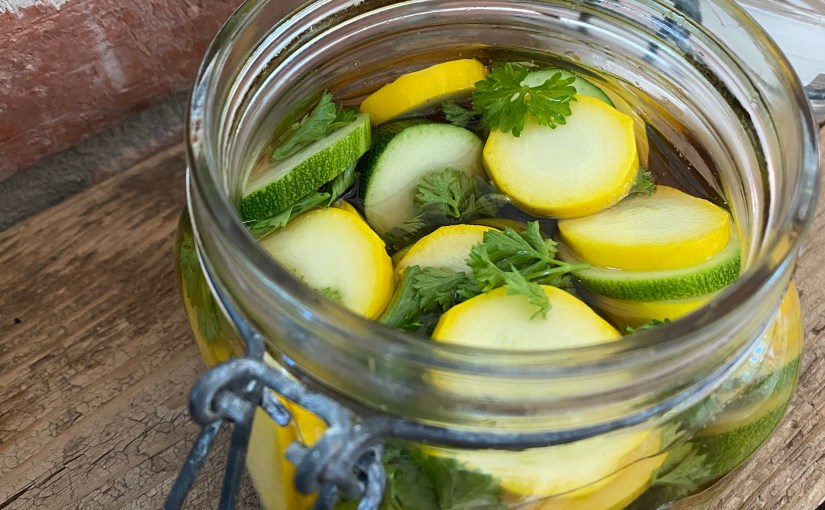
Pickled Summer Zucchini: A Refreshing Addition to Any Dish

Treat your palate to a burst of summer flavors with our delightful pickled zucchini recipe! Perfectly light and refreshing, this concoction serves as an impeccable accompaniment to grilled delights, hearty stews, or even as a zesty sandwich topping. The magic of this recipe lies in its adaptability; while our version is infused with white pepper and parsley, you’re free to let your imagination run wild. Dreaming of a spicy kick? Add ginger and chili. Craving a more aromatic experience? Dill, mint, or lime can be your go-to additions. If zucchini isn’t your thing, simply swap it out for cucumbers and you’re good to go!

Ingredients:

  • Fresh Zucchini
  • White Vinegar
  • Sugar
  • Water
  • Parsley
  • White Pepper

Instructions:

  1. Prepare the Pickling Solution: Begin with a classic 1-2-3 mixture:
    • 1 part white vinegar (12% concentration)
    • 2 parts sugar
    • 3 parts water
    Depending on the amount of zucchini you have, make enough pickling solution to cover them when placed in your chosen storage jar.
  2. Cooking the Solution: Combine the ingredients in a pot and simmer on low heat. Once the sugar has dissolved completely, your solution is ready. Allow it to cool.
  3. Prepping the Zucchini: Slice your zucchini uniformly and place them in a jar with an airtight seal.
  4. Herb Infusion: Finely chop or distribute the parsley – the amount is entirely up to your preference.
  5. Assemble: Season the cooled pickling solution with white pepper. Pour it over the zucchinis, ensuring they’re completely submerged.
  6. Patience Pays Off: While you can savor the pickled zucchini immediately, allowing them to sit overnight or for a couple of days truly enhances the flavors.

For extended shelf life, consider sterilizing your jar before adding the ingredients.

Whether you’re setting up a summer barbecue or prepping a cozy winter dinner, this pickled zucchini promises to be a star accompaniment. Dive into more culinary adventures by exploring our recipe collection!

Craving more zucchini delights? Dive into our delectable summer stew recipe!

Seeking a moment of calm? Embrace mindful eating. Grab a slice of zucchini and embark on this transformative journey with our guide!