Amanda, the creator of Grounded Gardens, is a passionate gardener, mindfulness instructor, and family person who values sustainability and biodiversity. With a background in social work, she shares her love for gardening, mindfulness, and family life through her blog and social media channels. Living between Sweden and Austria, Amanda aims to inspire others to connect with nature, practice mindfulness, and embrace sustainable living as part of the Grounded Gardens community.
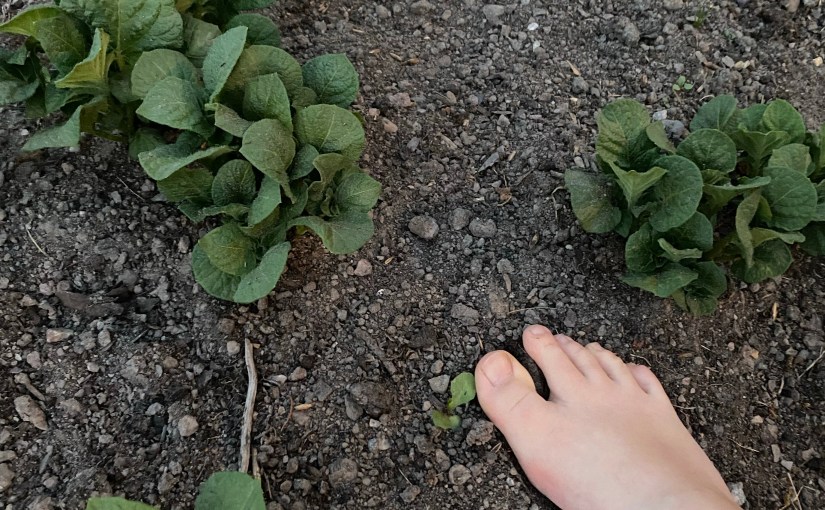
Engaging in gardening while barefooted offers an unparalleled opportunity to bond with Mother Earth and reap the benefits of earthing. In this post, we delve into the practice of earthing, shedding light on how barefoot gardening can enhance your overall wellness.
The advent of summer signals the perfect time to slip off your shoes. As a child, I was an avid barefoot explorer, indifferent to the terrains I trod upon—be it asphalt, gravel, grass, sand, or pine-strewn forest paths. However, as I matured, my perception transformed. The sensation of sand squishing between my toes started to bother me, the harshness of gravel became unbearable, and the touch of damp grass was no longer a favorite.
But, as it’s often said, change is the only constant. My perspective has taken a new turn, and I’ve rekindled my love for strolling barefoot. Despite the occasional discomfort and minor impracticalities, I sense its inherent benefits. I believe that it gifts me an extraordinary connection—a profound bond with the planet we inhabit. When I consciously experience the diverse terrains beneath my feet, it enlightens me in various ways.
I find myself developing heightened awareness of my feet—the toes, heels, and the weight they bear. The way I walk. The manner in which my feet interact with the underlying surface. The tangible contact with the stone, grass, and sand. I learn to appreciate the unique textures of various terrains, establishing an intimate connection.
In conclusion, the simple act of shedding your shoes and grounding yourself through barefoot gardening is more than just a quirky hobby—it’s a holistic approach to embracing nature’s subtle miracles. By indulging in this practice, you’re inviting an awakening of your senses, a renewed mindfulness, and a profound respect for our Earth. As the delicate variations of the world beneath our feet stimulate our awareness, we are reminded of the beautiful interconnectedness of life. So, the next time you venture into your garden, I encourage you to consider doing so barefoot. Embrace the opportunity to ground yourself physically and spiritually, all while nurturing the vibrant life that springs from the soil beneath you. Here’s to healthier, more mindful experiences with our remarkable planet!
Intro: Caring for plants can be a deeply rewarding and mindful practice. In this post, we’ll discuss how to connect with your plants on a deeper level by practicing mindfulness, offering practical tips for nurturing their growth while cultivating your own presence and well-being.
Embracing the Full Experience of Your Plant through Mindfulness
While it might sound a bit unconventional, the goal is to truly immerse yourself in the experience of your plant by practicing mindfulness. Often, we quickly pass by with a watering can, splashing some water, maybe removing a withered leaf, or pulling out some weeds. But taking the time to look, feel, smell, and even taste the plant can provide an incredibly beautiful and meaningful experience. It can also help us detect pests or diseases on our plants more quickly—a win-win!
Mindful Observation: Seeing Your Plant with Fresh Eyes and Enhancing Plant Health
Start by choosing a plant for mindful observation. Look at it, and I mean really look! Observe the shades of the leaves, the different parts such as the stem, leaf attachment, flower, and both the top and underside of the leaves and flower. What shapes can you see? As you observe, try to see your plant with fresh eyes, as if you’re seeing it for the first time. This practice helps you to become more aware of your plant’s needs and enhances its overall health.
Engaging Your Senses: Deepening Your Connection with Plants through Mindful Touch, Smell, Taste, and Listening
Next, engage your other senses to deepen your connection with the plant. Touch the plant. Is it smooth or rough, sharp or soft, lanky or sturdy? Smell it. Taste it, if it’s safe to do so. Listen to the sounds it makes as you touch it or as the wind rustles its leaves. By engaging your senses, you become more attuned to your plant’s needs, promoting its health and growth.
Cultivating Non-Judgment: Accepting Your Plant as It Is and Encouraging Healthy Growth
As you experience your plant, try not to judge what you see, feel, smell, taste, or hear. The plant is neither beautiful nor ugly, good nor bad. It is just as it is, right now. By practicing non-judgment, you cultivate a deeper appreciation for the uniqueness and beauty of each individual plant, which helps you provide the care and attention it needs to thrive.
Nurturing Your Plant with Love and Care for Optimal Growth and Well-being
Think of your plant as the living being it is. Just like you, the plant needs nourishment and care to grow and thrive. You might sprinkle some “gold water” or throw in a bag of fertilizer, but at the same time, you show concern for the plant, providing it with food. As you nurture your plant with love and care, you strengthen the bond between you and nature, contributing to its optimal growth and well-being.
The Benefits of Mindful Plant Care for You and Your Plants
Mindful plant care offers numerous benefits to both you and your plants:
Deepens your connection with nature
Improves your ability to detect pests and diseases early
Cultivates mindfulness and presence in your daily life
Enhances your appreciation for the beauty and intricacies of plants
Encourages sustainable and eco-friendly gardening practices
Conclusion: Embrace the practice of mindful plant care and experience the joys of connecting with nature on a deeper level. By nurturing your plants with mindfulness and presence, you’ll not only help them thrive but also cultivate your own sense of well-being and harmony with the natural world.
Interester in connecting with your plants right away? Listen to my Plant care meditation audio.
Have you tried doing some mindful plant care? What’s your experiences and realizations? I’d love to hear about it in the comments.
I find myself gravitating towards a variety of podcasts, with a noticeable tilt towards those discussing business and entrepreneurship. Today, as I delved into one such podcast about cultivating a personal brand, I was surprised to feel my energy levels plummeting. I found myself overwhelmed by a desire to resign. The discussions on being seen, being unique, becoming a reliable source for customers, and identifying an ideal client just didn’t align with my vision of entrepreneurship. My way may seem unconventional, especially given my nascent journey into business and the wealth of experience those podcast hosts possess. Nonetheless, I feel compelled to give my approach a try. In this post, I’m going to delve into those intimidating phrases, infusing a mindful perspective into each one. Ready? Let’s dive in!
“Be Visible!”
Indeed, visibility is critical for attracting clients, establishing partnerships, and overall brand recognition. Yet, when you consider the hundreds of millions of blogs out there (Google’s statistics underscore this fact – we’re indeed talking about hundreds of millions), the idea of standing out can feel daunting. Modern expectations extend beyond owning a blog – there’s YouTube, Instagram, TikTok, Facebook, and more. I realize that I need to maintain visibility across these platforms to retain relevance. But the point I’m attempting to make here is that it’s necessary to be visible, but not necessarily omnipresent. As I write, I can’t help but acknowledge the truth in this statement – visibility is indeed key.
“Be Unique!”
Here, I find myself more aligned with my perspective. I don’t believe it’s necessary or even desirable to be unique in a forced manner. We’re all unique in our own ways, yet remarkably similar too. If you nurture a particular thought, interest, or idea, chances are, there are others who share the same. Embrace the fact that not everyone will gravitate towards you, and that’s perfectly okay! We should view the competitive landscape as an opportunity to exchange clientele, offering a win-win-win scenario. Striving for uniqueness can be exhausting; instead, embrace your authentic, perfectly imperfect self. Acceptance, a core tenet of mindfulness, encourages us to trust ourselves and our capabilities. Be brave enough to be ordinary – after all, we’re in this together.
“Become the Go-To Person for Your Customers!”
This phrase admittedly unearths some of my insecurities – the notion of expecting someone to choose me, considering me the best in my field. Here, the podcast hosts probably hit the nail on the head. It’s indeed advantageous if customers appreciate and return to your services. That’s the dream, after all, to be a part of the customer’s journey, watching them evolve and grow. Here, I concede, this statement holds water – being a reliable resource for customers is indeed desirable.
“Who Is Your Dream Customer?”
Here, I find myself skeptical again. My focus is on engaging in work that inspires, motivates, and fulfills me. I believe that this approach will naturally attract a group that resonates with my work ethos. If I target a preconceived ‘dream customer,’ I risk missing out on potential clients and may end up in an unfulfilling role. The emphasis should be on trusting our abilities, allowing the process to unfold naturally, and staying open to different types of customers we might attract.
In Conclusion…
It’s common for my perspectives to shift or evolve when I take the time to articulate my thoughts and feelings. What I observe is a recurring trend where we constantly strive to please others and base our sense of satisfaction on their reactions. When we post content, we often question, ‘What do they want?’ instead of ‘What do I want to share?’ It’s not detrimental to consider others’ interests, but if that’s our primary focus, we might soon find ourselves in situations that don’t resonate with us. After all, just because everyone else is doing something, or because it’s what they want, doesn’t mean it’s right for us. This is my perspective, and I could be entirely wrong, but that’s okay – it’s all part of the learning process. Please let me know how your journey of building your own brand has been.
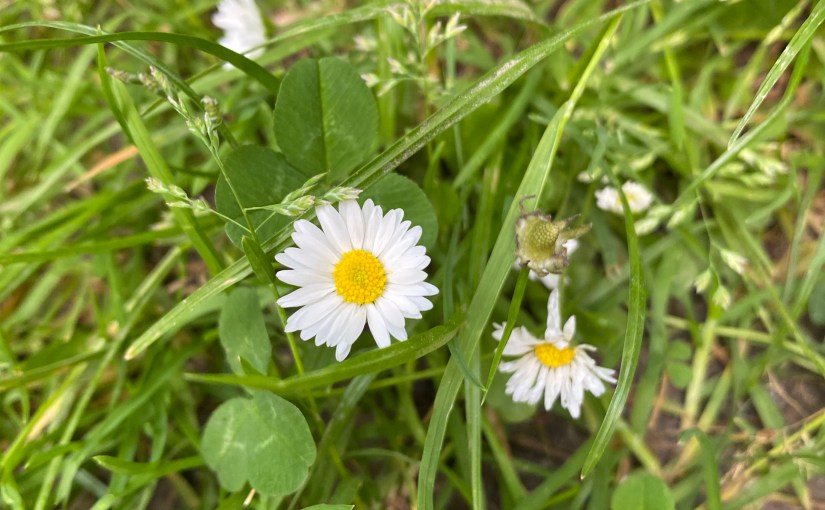
Comment to picture: A unique flower yet similar to all other flowers of its kind.
Embarking on this journey as a fresh-faced entrepreneur, it’s part and parcel to consistently generate new ideas, revamp concepts, and experiment with new ventures. I can’t be the only one, can I, who feels like they’re jumping from one idea to the next in these early stages?
Over time, I’ve brainstormed countless ideas for this blog and my business. If you’ve been with me from the start, you’ll have encountered similar letters before: declarations like “The website is changing direction,” or “Starting now, we’re going to operate this way.” That’s just part of who I am—a person teeming with ideas, sometimes struggling to hold on to a single one.
I often find myself absorbing the wisdom of experienced entrepreneurs who insist on the necessity of having a solid business plan, knowing your sources of income, and proverbially “selling the bear’s skin before shooting it.” Yet, that’s not my style. I acknowledge this approach might slow down my progress and increase the risks in my venture. Trust me, I’ve attempted to plan and stick to those plans, but inevitably, I conceive a new, seemingly better idea. Should I just disregard it? Ha! Ideally, I suppose, that’s what I “should” do. However, I’m not a fan of being boxed in by what one “should” or “shouldn’t” do. So, once again, I’m introducing a new tweak on the website. I believe that I’ve gleaned valuable insights during my first year as an entrepreneur, and this plan is well-considered, if I do say so myself.
For now, I’m pleased to announce that the website has adopted a new name: Grounded Gardens. Those of you who’ve been with us for a while might have noticed already?! Our other social media platforms will also undergo name changes soon, but for the time being, both Grounded Gardens and The Swedish Homestead are alive and well. It’s a bit confusing, I know, but bear with me, clarity is just around the corner. Of that, I’m almost entirely certain!
Do you, like me, find yourself frequently altering your plans, or do you stick to a single blueprint? I’d love to hear your story in the comments below—it’s so enriching to learn from the multitude of paths we all tread.
With love and gratitude,
Amanda
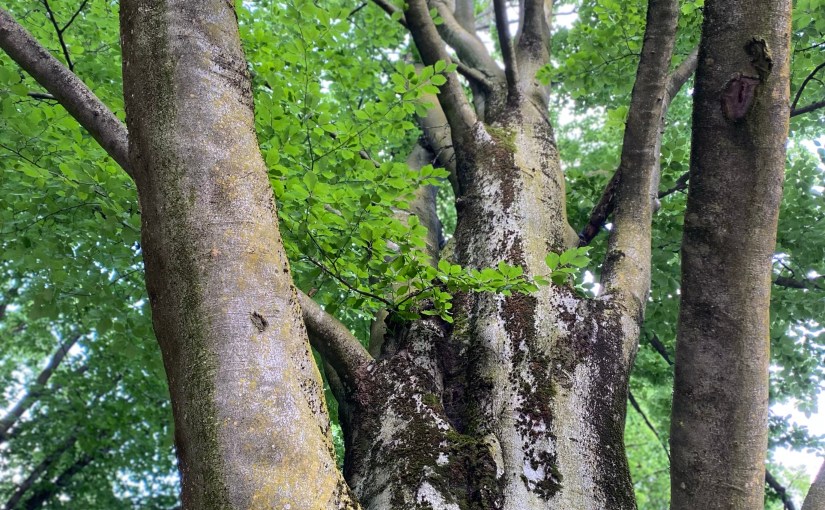
Comment to the picture: A tree with numerous branches and lush foliage represents the life of an entrepreneur.
Everything I write here is based on our experiences with chickens and there is of course much more to say about the chickens’ housing, care, breeds, etc. When it comes to animals, it is important to check which rules apply to keeping animals where you live, as the rules differ. In much of our farming, good enough is enough, with the animals it is not enough. Animals should be very well off and it is your job and mine to make sure they get that if we decide to get them.
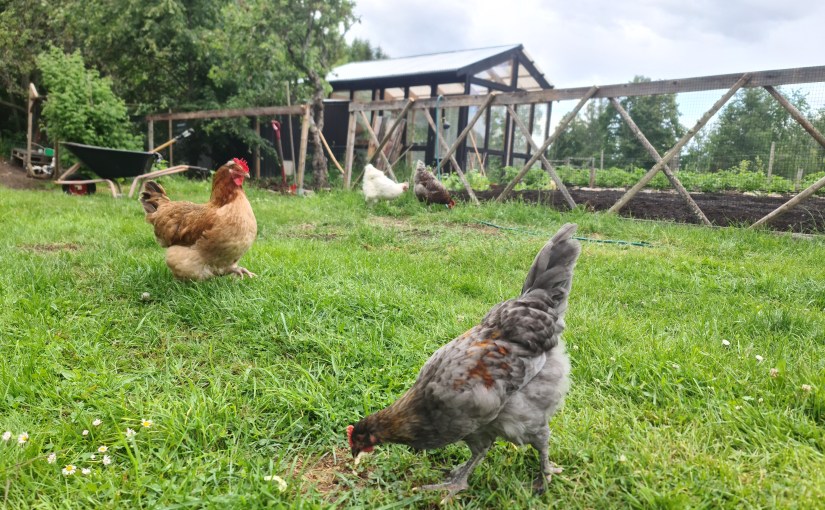
When we got the chickens, I felt that it was that piece of the puzzle that had been missing. When the chickens walked around the garden, I felt that now, now we have our farm for real! So now that we’ve reduced the number of animals, it’s the chickens that I miss the most and were the hardest to get rid of. I thought for a long time about how we could keep the chickens even though we wouldn’t be home as much. There was of course no solution to that. In the future I want to run a farm together with others to be able to have some freedom to go away, but we are not there right now. About half of the chicken group had to move to a friend and half to my sister and her husband. They have a fantastic time there!
Benefits of having chickens
Home comfort
Chickens are so very cozy to have around. Our chickens have not exactly been tame, but they have always come forward and been curious when we have been pottering in the garden and eating outside. When we built our greenhouse, there was one hen in particular, Åsa, who came out as soon as we took out the shovel. It was even a bit difficult to dig for her to be there right away checking for worms. As I wrote in the introduction, the chickens were really the icing on the cake when it came to getting that real home feeling and now that the chickens are not there it feels very empty. The hens also came to meet us when we got home in the afternoons and the roosters laid eggs. Maybe it was a warning but we chose to interpret it as a welcome.
Egg
We have had mixed-breed hens, Scanian flower hens, brahmas and marans. Being able to go out and get eggs that are different sizes and different colors is wonderful. When you, like me, were used to bought eggs in one color and the same size, it’s like a new world opens up. I also know that my chickens are doing well, being cared for and being seen as individuals rather than products. In summer, when the hens eat fresh grass, the yolk turns magically yellow and both sponge cake and pancakes become so yellow that it looks like they contain saffron. It’s also a bit special to go and wait for eggs like the time we were going to bring eggs to bake at my parents’ house. We didn’t have that many eggs and then had to wait for the hens to lay before we left. Hens lay eggs at different times of the day, not just in the morning as you often hear. Ours have never laid so early that we can go out and get our breakfast eggs the same day.
Easy to care for
Chickens are very easy to take care of. Once the henhouse and henhouse are in place, they need care, food and water, cleanly in the nests and under the perch. When you don’t have that many chickens, it’s easy to keep an eye on them and see if any are sick. There is a lot of good information about diseases and mites etc. both in books and on the internet. We built our own, large food and water containers so that we didn’t have to refill so often. Under the perches we had a board that was easy to scrape off and the nests are easy to keep clean by having a newspaper in the bottom and straw on it. Some hens poop a lot in the nests, others not at all. They appreciate simple things like little sticks or branches to sit on in the chicken coop and are curious when you give them something new to eat or investigate.
Eating leftovers
Chickens like to eat food scraps. What is not eaten, they quickly scatter into the soil. We let our chickens have access to the compost and there they spread around and created fantastically fine soil. Most of the soil didn’t stay in the compost but ended up outside but it didn’t matter because there were no food scraps left after the chickens were there.
Manure
We have used chicken droppings and litter in our countries with very good results. Since we have dirt floors in our chicken house, we haven’t mowed out as often as you need to if you have concrete floors, but there has still been a lot of material to spread out on the farms. We have stored the poo from the board under the perches in buckets during the winter and then spread/buried it in the fields when the frost has left the ground. In the summer, we buried the manure directly in the fields, though not right next to the crops but a little on the outskirts.
Weed control
Our chickens have been allowed to go to the farms both spring and autumn to clear weeds and bounce around plant parts. It’s a great help to get and the hens get extra green pasture. I have had ideas about letting the chickens go in mesh tunnels around the crops to keep grass and weeds away without them getting to the crops. An idea I saw on pinterest. Unfortunately, it didn’t work out this time, but the next time we have chickens, I will definitely try it somehow.
Easy to breed
Raising chickens is both easy and fun. If you have a broody hen, I would say that it is absolutely the easiest. The hen takes care of everything and protects the chicks from the first moment. We had a small section inside the hen house where the chickens and the hen had to be for the first time. Mostly because the chickens would get the right food and get a little bigger before they had to meet the other hens. Unfortunately, we only had one hen that brooded all the way to hatching. Therefore, we mainly raised chickens in egg hatching machines. It is very smooth with a good machine and it is very exciting to see when they emerge from the shell. But it feels a little sad that they don’t have a warm and good hen to take care of them. One thing to keep in mind if you want to raise chickens is that there are as many roosters as hens and the roosters are not very easy to sell. So if you are going to breed, you need to have a plan for the roosters. It is not possible to have too many roosters in the hens. They mate too much and the roosters who are not the first cock are often quite mean to the hens. They hunt them and force them to mate. A good rooster dances for the hens and thus asks for consent, he also respects a no. If you have too many roosters, they also fight among themselves quite a bit.
Disadvantages of chickens
I almost want to say that there are none. They are wonderful animals! But sure, there is some stuff, but notice that it has nothing to do with the chickens themselves but things around them.
Predator
How many chickens have we lost to predators… We have secured and fixed but the pigeon hawk has taken to the bushes and thickets and the fox has broken in. It’s terrible when it happens. You do your best to protect them, but at the same time we don’t want to lock them up like in the egg factories and then there is always a risk that the predators will get to them. Our dog was our best protection against the fox. It was when she was away for a weekend that it hit. Against the pigeon hawk, it was probably our own presence. When I was working at home and we were on parental leave, we could run outside when we heard the dove hawk screeching and chase it away. It was before that, when we worked full-time and were away from home during the day, that the pigeon hawk succeeded in its hunt.
Bird flu
From autumn to spring, hobby chickens must be inside the fence because then there is a risk of contracting bird flu. If you sell eggs or chickens, the rules are even stricter than for hobby chickens. I won’t go through the rules here because they can change. Go to the authority’s website for current information. But what I can say is that it will be more complicated to let the chickens remove spring grass in the fields and there will be a lot of pressure on the fenced chicken coop. In any case, the way we had the chickens with a fenced part and then free as soon as we ourselves were at home and could guard against predators.
As you probably understand after reading this post, I strongly recommend having chickens! Wonderful creatures that really contribute to life on the farm or in the garden and you get eggs without a guilty conscience. Some final tips:
Build bigger than you think. Everyone says so and we read it before we built our first chicken house out of an old dog house. Of course, it was way too small and since I didn’t listen to this advice, maybe you won’t either, so my advice is instead be prepared to expand or rebuild.
Read about the rules for bird flu and adapt your chicken coop to suit your and the chickens’ needs. In recent years, the restrictions have lasted for several months, so it’s worth taking stock of it.
Everything I have written is based on our experiences with chickens and there is of course much more to say about the chickens’ housing, care, breeds, etc. When it comes to animals, it is important to check which rules apply to keeping animals where you live, as the rules differ. In much of our farming, good enough is enough, with the animals it is not enough. Animals should be very well off and it is your job and mine to make sure they get that if we decide to get them.
If you fancy chickens, I hope you dare to take the plunge after reading this post. We need more hens who are doing well and more people who get to live with these lovely birds.
Unveil the flavors of fresh garden produce and the richness of lentils in this hearty and zesty stew. This dish is not only bursting with nutrition but also caters to your comfort food cravings. Whether you’ve had a long day at work or just need a quick dinner fix, this stew has got you covered.
1 bouillon cube (choose vegetable or chicken based on your preference)
Chili flakes, to taste
Juice of 1 lime
Salt, to taste
Pepper, to taste
Butter or oil, for frying
Instructions:
Preparation: Begin by washing your leek and carrots. Slice the leek finely and dice the carrots into even pieces. Rinse the red lentils under cold water until the water runs clear.
Sauté the Veggies: In a large pot or skillet, heat the butter or oil over medium heat. Once hot, sauté the leeks and carrots until they begin to soften and the leeks become translucent.
Simmer the Lentils: Add the washed red lentils, crushed tomatoes, and enough water to cover the ingredients. Crumble in the bouillon cube and stir everything together.
Cook to Perfection: Bring the mixture to a boil, then reduce the heat and let it simmer. Cook until the lentils are tender, which usually takes around 15-20 minutes.
Season & Serve: Once the lentils are cooked through, season your stew with chili flakes, freshly squeezed lime juice, salt, and pepper. Give it a good mix and taste, adjusting the seasonings if necessary.
Dish Out: This versatile stew pairs beautifully with a side of your choice. Whether it’s fluffy rice, al dente pasta, crusty bread, or even boiled potatoes – choose what complements your palate.
Tips:
If you prefer a creamier texture, consider blending half the soup and mixing it back in.
Garnish with fresh herbs like cilantro or parsley for added freshness.
Enjoy the burst of flavors and the comforting warmth of this delightful red lentil stew. Don’t forget to share your cooking experience in the comments below!
I love parsley! It’s probably my absolute favorite spice. I can take a leaf and just go and eat it. Parsley or leaf parsley doesn’t really matter to me. Parsley is very full and good, but can also become a little earthy and dirty in the “mug”. Leaf parsley, on the other hand, probably tastes a little less, but is clean and easy to take and eat right away. Last year we only grew leaf parsley and it turned out so amazingly nice. We have a lot in the freezer and ate so much this summer. Unfortunately, I think the parsley loses some of its flavor when stored. Regardless of whether I freeze or dry, there is a very big difference compared to eating it fresh. Boring in the winter, but it makes you want to grow and eat extra during the summer!
To sow
Parsley can advantageously be sown indoors as early as March, but it is also possible to sow it directly on the plant site in May. I do as I usually do and sow it in a trough. I don’t know if it’s the best or if it fits better in a plug tray but the best seed is the one that is sown so do what you feel suits you. Parsley sows about 0.5 cm deep. I’m not too particular about that sort of thing either… But if you want to do exactly that, I can recommend taking a flower stick and marking up 0.5 cm. Stick it in the soil and you have a nice little hole that is just the right depth. Last year we grew parsley in clusters and it worked very well so this year I sowed it in groups with several seeds together. Parsley is biennial, but the second year it likes to bloom, so if you don’t want to take your own seeds, it’s best to remove the inflorescence as early as possible. Then the parsley continues to produce leaves.
To grow
When the parsley comes up and you see that the roots are on their way to the bottom of the pot or tray, it is time to replant. If it’s warm enough, you can put it outside immediately, tempering if necessary. I guess I will repot mine and have them in the greenhouse a few weeks before planting in the garden. With all spices, I prefer to have them near the kitchen. Put them in a pot or a piece of land near the kitchen and it’s easy to go out and harvest when you need to.
To harvest
Parsley is harvested continuously during the season. The more you harvest, the more new leaves come. I prefer to harvest when I’m going to use the parsley because it quickly gets a bit boring after harvesting. Parsley leaves in particular quickly begin to droop and dry if left out. Parsley can stand in a glass of water for a few days. Make sure the plant has grown and feels strong before you harvest for the first time.
To store and refine
As I said, I have both dried and frozen parsley. Of those ways, I prefer freezing. I think it saves most of the flavor although it is nowhere near the fresh parsley. It is very good to mix parsley with garlic, salt, pepper, oil and some nuts, as a variation on pesto. The stem can be added to soup which is then mixed or you pick up the stems when the soup is ready.
Quick guide
Pre-cultivate in March, approx. 0.5 cm deep or sow directly on the cultivation site in May
Harvest when the plant is strong, the more you harvest the more will come
The other day I planted all the seeds I had planned for March. What went into the ground were two kinds of tomatoes, leaf parsley, goose parsley, basil, lavender, giant verbena, snow love flowers and carrot. I have planted everything except the carrot indoors, the carrot ended up in the greenhouse. Carrots cannot be pre-cultivated. When it gets going, it sends a long root thread down into the ground and when it doesn’t go any further, it starts to grow on the width instead. This means that if you sow carrots in a tray indoors, they will only grow as long as the tray is deep.
I am so happy that there will be a lot of flowers this year. We haven’t invested much in it before, all the focus has been on edible crops. But the more I learn about biodiversity and the needs of the insects, my interest in flowers has also increased. There happened to be a lot of purple flowers. Nothing I thought of when I ordered, but it’s probably the color I like most in flowers.
I made an attempt to film when I was sowing but inexperienced as I am filming, it turned out to be a weird angle where my arm obscured a part of the seeds… How difficult can it be, one wonders, quite difficult it seems. Haha! There will be new attempts! The video of the sowing of the carrot turned out quite well, so possibly it will be up on youtube soon. I posted my first video in the form of a “short” on YouTube the other day. It’s a movie where I peel a black, dried, half-rotten cabbage and find a beautiful little head under all the bad leaves. If you haven’t seen it, check it out here: https://youtube.com/shorts/k3hsXv7yxd4?feature=share
Perhaps you have found similar treasures among your stored vegetables?
2 teaspoons of sugar 3 teaspoons of cocoa ½ mug milk (I use oat milk) ½ mug of hot water
Optional topping: whipped cream cinnamon
Mix sugar and cocoa in a mug. Add the milk and stir. Boil water in the kettle. Add the hot water. Top with a little (or a lot) whipped cream and cinnamon.
200 g of butter 1 tsp vanilla sugar 1 dl caster sugar 4.5 dl wheat flour
Example of seasoning Add cocoa to the dough Add 1 tbsp ginger, 1 tbsp cinnamon, 1 tsp cloves, 1 tsp cardamom for gingerbread flavor Brush the finished cake with cinnamon and cocoa that you mixed in a little water Add saffron to the dough and roll the finished cake in chopped pistachios
Put all the ingredients in the food processor and process until it becomes a dough that can be shaped by hand. You can also mix the dough with your hands. Let the dough rest in the refrigerator for about 30 minutes. Set the oven to 175° C. Take out the dough and make the shape you want. You can roll out the dough and press out shapes, roll the dough into a “sausage” and cut into pieces or make small balls that you press lightly on the sheet. Bake the cookies in the middle of the oven for about 10 minutes.






 Grounded gardens