Spring Gardening Tips: Kickstart Your Growing Season and Spread Plant Joy

With the last days of winter still lingering, yet the soft whispers of spring beckoning, here are some tips to inspire you and ease your eager green fingers into the new growing season. Hopefully, you’ll also find ways to spread some plant love and motivation among your gardening buddies.

Share the Gardening Excitement

Being part of a community of plant enthusiasts is such a delight! There’s a unique thrill when a gardening friend shares a photo of a seed packet, a new plant, or a ripe fruit. Or when we sit down together, discussing cultivation plans, soil types, watering strategies, and recipe ideas. I challenge you to spread some gardening inspiration to a friend. It could be a picture, a message, some seeds, or even a small plant. Better yet, spend some quality time together – sowing seeds, repotting plants, visiting a nearby park, or even a trip to a garden center. Feel free to share your experiences in the comments. Remember, gardening together makes the experience even more rewarding!

Multiply Your Houseplants

A few weeks ago, my mother was repotting her indoor plants – some were divided into smaller pots while others graduated to larger ones. If you’re like us, you might not have room for lots of new pots. Why not make use of these surplus plants by gifting them to someone you care about? It’s an excellent way to say “I appreciate you” or “Sorry, I ran out of window space, can you squeeze this plant into yours?” I find that taking care of plants gifted by loved ones brings an added layer of joy to my plant care routine. So, why not share the love?

Embrace the Signs of Spring

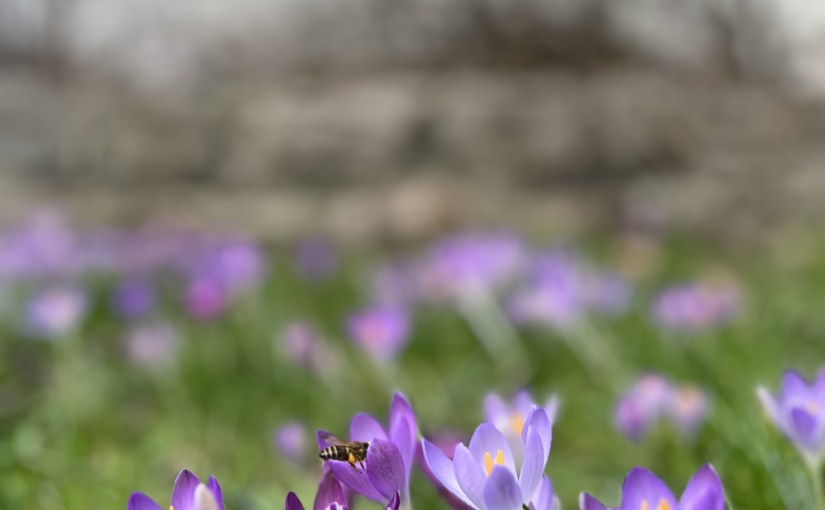
Spring is almost here, at least in southern Sweden. It’s easy to get caught up in the flurry of sowing and planting without pausing to appreciate the transformation happening around us. As nature rouses from its long winter slumber, it’s genuinely enchanting to witness the rebirth of life around us. Try to slow down and observe the small miracles of spring – the sprouting leaves, the swelling buds, the returning birds, and the awakening insects. Let’s not just be sun seekers, but also ground observers. Take time to notice and revel in the signs of spring unfolding around you.

Let’s welcome the new season with open hearts and excited green thumbs. Here’s to a fantastic growing season filled with joy, sharing, and the wonder of nature’s renewal.

Spring Gardening Tips: Kickstart Your Growing Season and Spread Plant Joy

With the last days of winter still lingering, yet the soft whispers of spring beckoning, here are some tips to inspire you and ease your eager green fingers into the new growing season. Hopefully, you’ll also find ways to spread some plant love and motivation among your gardening buddies.

Share the Gardening Excitement

Being part of a community of plant enthusiasts is such a delight! There’s a unique thrill when a gardening friend shares a photo of a seed packet, a new plant, or a ripe fruit. Or when we sit down together, discussing cultivation plans, soil types, watering strategies, and recipe ideas. I challenge you to spread some gardening inspiration to a friend. It could be a picture, a message, some seeds, or even a small plant. Better yet, spend some quality time together – sowing seeds, repotting plants, visiting a nearby park, or even a trip to a garden center. Feel free to share your experiences in the comments. Remember, gardening together makes the experience even more rewarding!

Multiply Your Houseplants

A few weeks ago, my mother was repotting her indoor plants – some were divided into smaller pots while others graduated to larger ones. If you’re like us, you might not have room for lots of new pots. Why not make use of these surplus plants by gifting them to someone you care about? It’s an excellent way to say “I appreciate you” or “Sorry, I ran out of window space, can you squeeze this plant into yours?” I find that taking care of plants gifted by loved ones brings an added layer of joy to my plant care routine. So, why not share the love?

Embrace the Signs of Spring

Spring is almost here, at least in southern Sweden. It’s easy to get caught up in the flurry of sowing and planting without pausing to appreciate the transformation happening around us. As nature rouses from its long winter slumber, it’s genuinely enchanting to witness the rebirth of life around us. Try to slow down and observe the small miracles of spring – the sprouting leaves, the swelling buds, the returning birds, and the awakening insects. Let’s not just be sun seekers, but also ground observers. Take time to notice and revel in the signs of spring unfolding around you.

Let’s welcome the new season with open hearts and excited green thumbs. Here’s to a fantastic growing season filled with joy, sharing, and the wonder of nature’s renewal.

Weekly report v. 5

After two weeks of more active blogging, I have realized that I will not be able to keep the time schedule that I thought. Instead of a promise, it will therefore from now on be a goal to get the posts out on the right days, at least as long as I work at my second job.

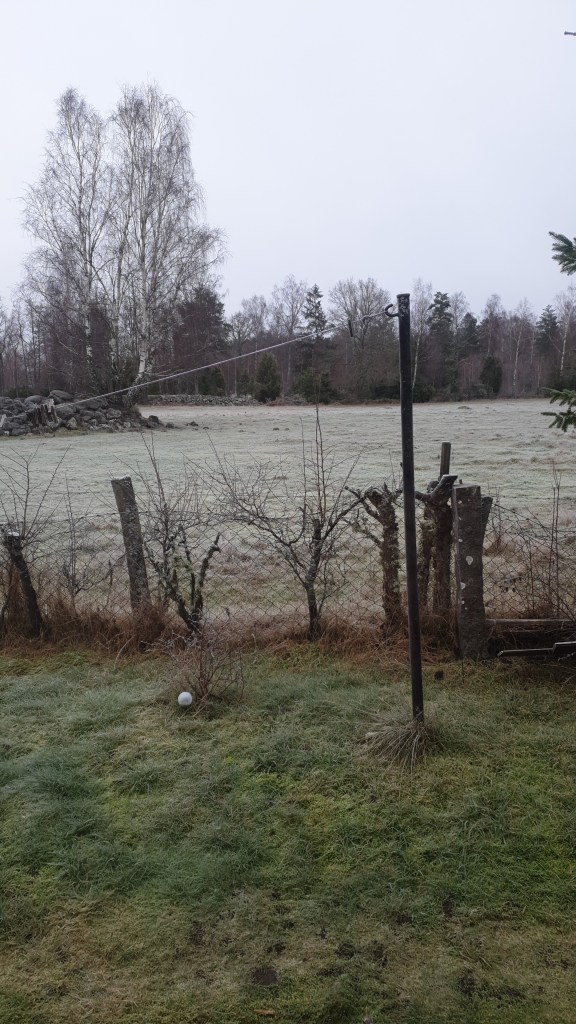
In the garden, the fence has been torn down, the first buds have started to emerge from the ground and trees have been felled outside our plot.

Yes, the fence, which was mostly chicken wire attached to a few sticks, has been torn down. It was super easy and, as is so often the case, the biggest step was to start. The plot feels more open and welcoming and now we are ready to put a nice fence where we want it. It will make the plot feel more open and interwoven instead of divided as it has been until now. There is one more fence that needs to be removed before the lot is completely open, but it is also a fence that increases security for our child because she cannot access piles of boards and storage. We’ll see how that fence turns out. What is so nice about this house is that there is no stress to finish, because it will never be finished. We will change and fix and arrange various things as long as we live here.

The first buds that we see here belong to the beautiful and cautious but incredibly brave snowdrop. White, green, sweet and a lovely reminder that spring is coming!

The neighbor has cut down a lot of trees that have been standing right on the border of our property. Some have also hung over the plot and the only thing that has supported them is our old pear tree. Fortunately, the neighbor managed to cut down the trees without harming the nice little pear tree. Such talented tree fellers! Now we get more sun into the plot and the conditions for creating a small berry bush oasis have become much better. At the same time, it is always a bit sad when large trees are felled and you know that there will be major consequences for the animals and fungi that lived in, on and near the trees.

Thanks for this week!

//Amanda

Versatile Lentil & Zucchini StewAdapted from the pantry, inspired by life’s surprises

Whether it’s swapping ingredients based on what’s available in the pantry or tweaking the quantity to feed an unexpected guest, this is one recipe that celebrates flexibility in the kitchen. A confession: I had even meant to include pumpkin but, alas, I forgot! Embrace the art of using (and sometimes forgetting) what you have with this forgiving and delicious dish.

Looking for more stew dishes?
Lentil and Zucchini Stew: A Fresh Summer Recipe
Red Lentil Stew with a Citrus Twist (Vegan)

Ingredients:

  • ½ leek, sliced
  • 2 carrots, diced
  • 2 dl (approx. 0.85 cups) red lentils, washed
  • 250 grams (approx. 8.8 oz) frozen grated zucchini
  • A small handful of frozen parsley
  • Water or cooking cream (Note: I often go vegan on this!)
  • Chili flakes, to taste
  • Salt & pepper, to taste
  • Butter or oil for frying

Instructions:

  1. In a large skillet or pot, heat the butter or oil over medium heat.
  2. Add the leek slices and sauté until translucent.
  3. Incorporate the diced carrots and frozen parsley, continuing to fry until they develop a golden hue.
  4. Mix in the red lentils and grated zucchini. Monitor the moisture levels; if the zucchini doesn’t release enough water, add some water or cooking cream. Allow the lentils to simmer for 5-10 minutes until tender.
  5. Season with chili flakes, salt, and pepper to taste. Adjust according to your preference.

Serving Suggestion:
Serve this versatile stew on a bed of rice, with a side of crusty bread, or as a hearty accompaniment to your favorite main dish.


February

To do

Check if you have manure and soil. If you haven’t, contact farmers or horse people nearby to see if you can get or buy some manure in the spring. Keep in mind that you may need to change the soil in pots and grow boxes to prevent disease. It is especially important if you plant the same type of crop year after year.

Take care of your indoor plants. Change or top up the soil, replant in a bigger pot, divide your favorites so you get more for yourself or can give to a friend. Give them some nourishment and shower them so they feel fresh and nice. Extra lovely in gray/brown February (those are the dominant colors here anyway).

Have you ordered seeds? If not, do it! If you have ordered, they will probably arrive soon. Sort and read when and how different seeds should be sown. Feel free to write down which month you will sow different things or put the bags in different piles for different months. In any case, I think it helps to have a little order.

To sow

I will sow basil, lavender and giant verbena in February. If you are sowing onions from seed, it is also time to sow them. You can also sow different leafy vegetables in the greenhouse to get an early harvest of small green leaves. Maybe I’ll sow some spinach, we’ll see. It might start to feel a bit ratchet on fresh, locally grown stuff. Therefore it is absolutely perfect to sow a little sprouts too. Sprouts will be ready in a few days. Alpha-alpha sprouts are classics, but it is also possible to sprout both peas and lentils. Try it yourself and find your and your family’s favorites!

To eat

Look in the freezer and pantry for things you have left over from last year’s cultivations and gatherings of berries and mushrooms. Look in the store for food grown in your area. I find Swedish apples and cabbage, for example. Give yourself a little challenge and skip vegetables that are produced far away, even if you might usually buy them. Choose things that are grown in the immediate area, within the country or in your neighboring countries.

Summary lists

Do:

Check manure and soil

Take care of your potted plants indoors

Order and sort seeds

Sow:

Basil

Onion from seed

Lavender

Giant verbena

Leafy vegetables

Sprouts

Eat:

Look deep into the freezer and pantry

Look for locally grown food (incl. neighboring countries)

Own sprouts

Newsletter v. 5

Hey!

This week the focus will be on planning for February and making use of what is in the pantry. Today I made a heavenly good vegetable stew with what is at home and the recipe will of course come on Friday! There will be cultivation inspiration and pep for spring. There is actually only one month left until March and then it starts for real!

Hope you have a nice week and that we can contribute with inspiration and encouragement!

All’s Well!

//Amanda

Weekly report week 4

 Another week has passed and it is still quite quiet in the garden. It will probably be so for a while longer, so now the focus is on planning and dreams. I currently find inspiration indoors with gardening programs on TV, seed bags and photos from last summer. Most of the gardening is done in my head right now. I dream of raised beds and flower beds, a berry bush oasis and a pond full of life!

 This spring and summer there will be a little extra focus on flowers. In the past I have felt that it is unnecessary to spend time, energy and money on things that cannot be eaten, but this autumn and winter I have felt a growing desire to have lots of flowers in the garden. And if we’re being honest, there’s nothing in the garden that’s unnecessary. Every flower, bush and tree contributes to the biological diversity that is absolutely necessary for our and all other animals’ survival.

 In the house where I grew up, my mother had amazing flower beds. The people who bought the house when my parents moved removed everything and planted grass. I wish I had taken cuttings and whole plants from that garden. Unfortunately, I didn’t, so now I get to remember and be inspired by the diversity and create a new and unique version. It’s also absolutely fantastic to be able to do that!

 I’m sow quite a few flowers from seed this year, something I haven’t succeeded very well with the few times I’ve tried before.  But you mustn’t give up, you just have to try again! Then I will go to the flower shop every now and then and buy what’s in bloom, is beautiful and seems to attract a lot of insects. Going to the flower shop regularly is a good way to get variety and diversity in the garden. What is sold is what is blooming now. So if you go in the spring, summer and autumn, you will get a flower bed that blooms for a long time with many different flowers! And if you don’t want to buy the flowers in the flower shop, which can be quite expensive, it’s great to write down the name of the plant and buy seeds or ask around among friends if anyone has a plant that you can share or take cuttings from. It’s also great to go around to local public gardens to find nice flowers that thrive in your own climate.

 Now I will return to my dreams of flowers full of buzzing insects and a pond full of frogs!

 Thanks for this week!

 //Amanda

Pea Soup (Vegan)

So at the end of the poorest month of the year, an incredibly cheap recipe fits well. This soup is also fantastically good, a real Swedish classic.

Ingredients
4 dl yellow peas
water
1-2 carrots
1 yellow onion
1 tsp thyme
1 bay leaf
3 allspice grains

Accessories
mustard

Do like this:

  1. Put the yellow peas in water for about 10 hours.
  2. Drain and rinse the peas.
  3. Peel carrots and onions.
  4. Place all ingredients in a saucepan. Put in the carrot and onion whole. Pour in water to cover and a little more.
  5. Cook until the peas are done. Stir occasionally and add water if necessary. Pick up the carrots and onions before they fall apart. I boiled the soup for about 3 hours and then got a wonderfully thick soup with well-cooked peas. Remove the allspice and bay leaves before serving.

Serve with mustard. Bread or crisp bread with cheese is always good.

Chili: The Fiery Flavor Booster – Growing, Harvesting, and Enjoying

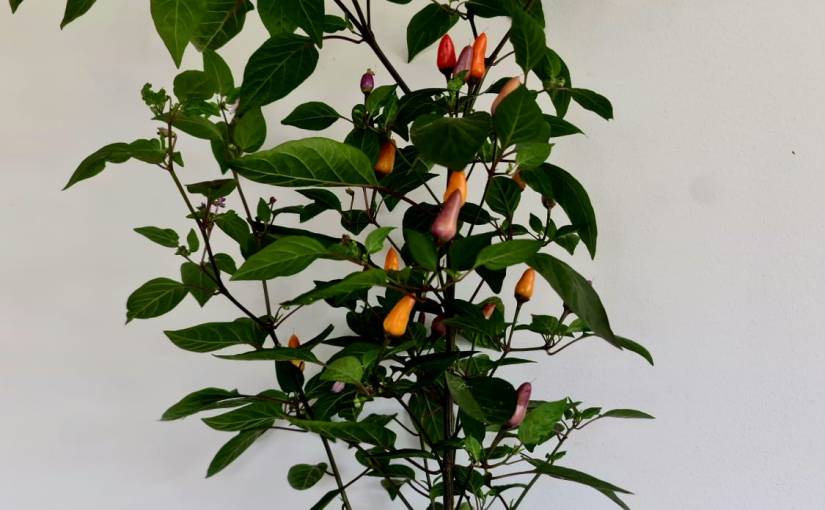
Chili – the darling of flavor enthusiasts! This humble fruit packs a punch that has turned it into a culinary celebrity. Its fiery potency has caused quite a stir, with numerous daredevils competing to consume “the world’s hottest chili”. These bold endeavors do bring entertainment, showcasing the sheer power that a tiny fruit can hold. Personally, my preference leans towards a more moderate heat level – a chili that complements, not overpowers, the taste of the food. To understand the heat level of different chili varieties, the Scoville scale is a handy tool. The higher the Scoville rating, the hotter the chili.

Chili offers a spectrum of colors, shapes, heat levels, growth habits, and maturation rates. Always check the seed packet or product description when buying seeds to choose a variety that fits your taste and cultivation needs. In my experience, chilies are delightfully easy to grow, thriving in various locations – a balcony, a window, a greenhouse, or even on outdoor steps. Whether you’re starting from seeds or purchasing fully-grown plants, chilies are typically prolific fruit bearers, aesthetically pleasing, and simple to store. Even better, you can save seeds from your own plants or even from a store-bought chili for planting next year – a true garden gem!

Planting Your Chili Seeds

In Sweden, and other regions with short summers, chili seeds should be sown early in the season, typically between January to March, depending on the growing zone and local climate. Chili is a light germinator, meaning the seeds should lie on top of the soil rather than being buried. Just lightly press the seeds into the soil for good contact. Initially, I buried my seeds and while they did germinate, the results were less optimal, probably with lower germination rates. Keep the soil moist after sowing by covering it with plastic, but ensure air can enter by creating holes or leaving a small opening. Watering should be done from below or using a spray bottle.

Nurturing Your Chili Plants

Once the seedlings sprout, it’s time for transplantation. Move them into a slightly larger pot filled with nutrient-rich soil, planting them deep enough for stability. Plant lights help to cultivate robust, sturdy plants. I’ve grown chili both with and without plant lights; while both work, plants grown without lights tend to be more fragile. They stretch towards the scant sunlight from the window, growing longer but not thicker in the stem.

Keep an eye on the roots – when they begin to protrude from the drainage hole, it’s time for a bigger pot. Continue using nutrient-rich soil and supplement with fertilizer or compost tea. Chilies love a warm, wind-protected spot, making them perfect for outdoor pot cultivation during summer, or planting in the greenhouse or garden. Wait until frost risk has passed before moving plants outdoors permanently. Acclimatize them first by keeping them outside during the day and indoors at night for a few days. However, always keep a weather eye open for unexpected frosty nights.

Harvesting Your Chili

Harvesting chili is straightforward – simply pick the fruits once they’ve ripened to their expected color. I’ve found that regular harvesting encourages the plant to produce more fruits. Just like other plants, chili redirects energy towards producing new fruits once ripe ones are removed. It’s perfectly fine to pick chilies before they’re fully ripe and let them finish ripening in a window. You can even experiment by tasting chilies at different ripening stages – they might vary in heat levels!

Storing and Using Your Chili

There’s a smorgasbord of ways to use your harvested chilies – dry them, grind them, create sauces, use fresh, or freeze. You could even host a fun, if daring, contest of who can eat the hottest chili – though proceed at your own risk!

During summer, we mainly use fresh chilies in our meals, chopping them into soups, stews, omelets, pies, sauces – really, the possibilities are endless. It’s always a good idea to taste the chilies before adding large quantities into your dishes – the heat levels can be tricky to reduce once added. The seeds and the white pith are where most of the heat resides, so use those parts sparingly if you prefer a milder flavor. Any unused chilies from the summer are usually dried and later ground or chopped for use in meals, just like fresh ones.

When drying chilies, I thread them onto a string, passing a needle through the chili stem, and hang them in a window. Not only does this method effectively dry the chilies, but it also creates a charming display. Be sure to space the fruits apart to prevent mold.

A word of caution: always use gloves when handling fresh chilies, even the milder varieties. Accidental eye contact after handling chilies can be unbearably painful. Chili residue is stubborn and may remain on your hands even after washing.

Quick Guide

  • Sow seeds on top of soil between January – March
  • Transplant when needed, based on root growth
  • Ensure plants receive adequate nutrition
  • Chilies prefer sunny, warm, and wind-protected environments
  • Harvest when ripe
  • Use in all foods, dry, freeze, or create chili sauce

Chilies are a flavor adventure – embark on your journey today!

Newsletter week 4, 2023

Hey!

This week started with illness, hence the slightly late newsletter, but I hope to get both the cultivation guide and recipe out as planned.

This week we focus on one of the early seeds, namely chili! Chili is fantastically beautiful and very useful! We use chili in almost all food, mainly dried chili but fresh when it’s in season of course. This week’s growing guide will of course be about how we grow chili.

Hope you have a nice week and that we can contribute with some inspiration to get the season’s crops started.

All’s Well!

//Amanda

Weekly report v. 3

It rarely goes as planned and as some of you probably noticed, there was no weekly report on Sunday or newsletter yesterday. We have been at home with stomachflu so there has been neither time nor energy to write. But now we’re back on track!

Last week not much happened in the garden, but I sowed the first of the year’s seeds! It’s always a great feeling! It was chili, celeriac and leek. You can find more about chili in this week’s cultivation guide.

We continue to harvest leeks from the greenhouse and “shop” in the freezer and cellar. There will be a lot of beans, potatoes and carrots. I also got a nice head of cabbage out from under a lot of bad leaves. Often the core of the head of cabbage remains fine, even if the outermost leaves look terrible. I wish I had taken pictures or video, but that will have to be next time.

This year I have decided that we will not have a lot of home-grown food left in the freezer when the new season of harvest starts. It actually takes some time to adjust and primarily “shop” at home instead of in the store. There will be more seasonal food and less of the same all year round. This means that you have to think outside the ordinary, find new recipes and inspiration. Fun, but sometimes a bit difficult.

See you again in week 4!

Happy week!

//Amanda