
Reflecting on Your Harvest: The Interplay of Diligence and Systematics

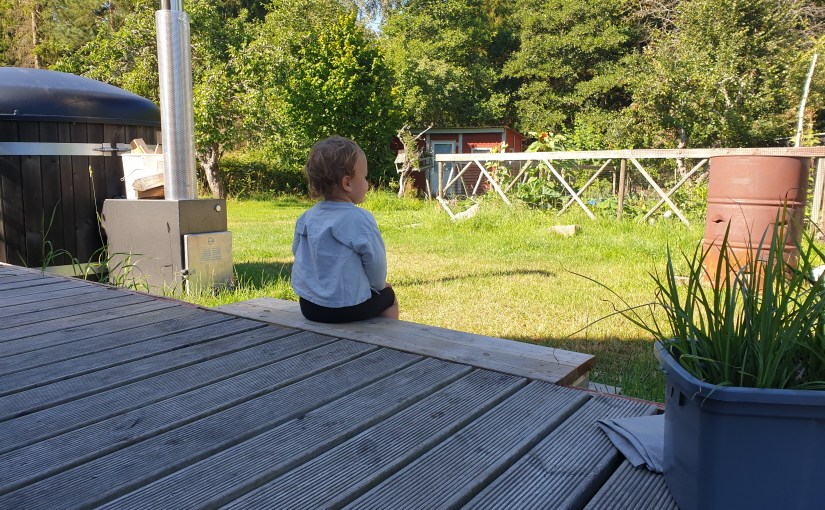
As autumn draws near, the gardening season is still a fresh memory, and this is the moment we get to witness the fruits of our year-long labor in planting, tending, weeding, and watering. Many garden enthusiasts are immersed in chores around this time. Still, like me, many also try to extract the last bit of charm from their gardens before it goes dormant for the year. Hence, now is the ideal time to sit, prioritize orderliness, and jot down reflections and learnings from the past gardening year. For me, the best spot to do this is outdoors, of course!

Lessons for the Upcoming Year

What have you discovered this year that will be pivotal for your future endeavors? This could span from pure gardening wisdom to realizing a more organized tool setup. Perhaps, you need to procure some materials to simplify next year’s gardening, check the autumn sales. Reflect on your sowing and transplanting practices last spring. Was the timing right or off? Are there changes you’d like to implement in your gardening systems next year? Your list of insights might grow lengthy, but the manner of preserving this knowledge is up to you. If you’re anything like me, there’s a good chance you’ll forget a lot by next season, so it’s wise to document, one way or another.

Preserve Your Favorite Recipes

Save those recipes you’ve frequently used and loved throughout the summer. When planning your next planting season, reviewing these recipes will help you grow an abundance of your favorite ingredients. Also, keep a record of recipes related to pickling, sauces, preservation, and other value additions. Having your favorite recipes at hand during the harvest is invaluable. Searching through the internet or your cookbooks annually isn’t the most efficient or entertaining. However, always be open to experimenting with new recipes!

Document Quantity and Weight

Note down your harvest, especially the produce you intend to store. In the summertime, when plucking fresh for immediate consumption, it might not always be necessary to weigh every produce. But come autumn, when harvesting in bulk for storage, it’s beneficial to know the total yield. This information helps estimate your family’s yearly consumption. It’s also worthwhile noting when you run out of specific crops, indicating what needs more planting next year if self-sufficiency is the goal. If something remains unused by the next harvest, perhaps consider planting less or discovering new recipes.

Estimate Your Family’s Annual Consumption

Documenting as advised will give you an overview of your family’s consumption from the crops you grew. However, also factor in other produce not cultivated this year. How much of various vegetables and root crops does your family consume? Do you wish to grow more of these? Some crops may be challenging to grow but essential for your diet. Do you plan on purchasing these or cultivating alternatives?

Do you have additional gardening insights to share? Please leave your thoughts in the comments. Let’s learn and inspire one another!

Warm wishes, //Amanda

Cover image by Tirachard Kumtanom
Understanding What We Eat: A Gardener’s Tale of Taste and Cultivation

Today, I reluctantly discarded chopped, frozen mangold from 2021 – a reminder that learning about our food preferences and adapting our garden to suit is both a joy and a challenge.

The Mangold Chronicle

The journey of this particular mangold was long: from a mere seed to its harvest, from blanching to chopping, packing, and finally freezing. It even survived a freezer move. Yet, after all that effort, into the bin it went. Why? We found that the texture becomes fibrous, the color unappetizing, and the taste quite bland when mangold is frozen with its stems. Hence, our garden has seen a shift towards spinach, a crop we have grown to love more. However, the occasional mangold does sprout up, and I enjoy it fresh or whisked into an omelette.

The Contrasts of Gardening

Mangold, being easy to grow yet seldom eaten in our household, starkly contrasts with cabbage. I adore cabbage! Replacing regular salad leaves and iceberg lettuce, it’s my go-to. But growing it? A real test of patience. Each year, cabbage butterflies and their voracious larvae devour almost everything. Every year, I vow, “No more cabbage next year!” Yet, come spring, I plant them again, simply because of our love for its taste. Last winter, we finally had the joy of storing and consuming a few heads of cabbage, not wasting a single leaf.

Strategic Planting

In our early gardening years, I felt overwhelmed with the plethora of choices in seed catalogs. How were we to decide? The solution? Listing our most-cooked dishes and identifying cultivable ingredients. This gave us an idea of what’s truly worth planting. Some crops flourished; others challenged us. We’ve dropped some and increased others based on our culinary experiences.

Exploring New Crops

While it’s comforting to grow familiar foods, the vast expanse of gardening offers myriad possibilities. Every year, we experiment. It could be a variation of a familiar vegetable or something entirely new. By tuning into gardening podcasts and engaging in conversations with fellow gardeners, like my dear friend R, I often stumble upon new ideas. We even compare notes, sharing if we’re trying out any specific theme for the year.

Mindful Consumption through Home-Grown Produce

Knowing what we consume and how it’s grown is a journey. It’s about trials, errors, and delightful discoveries. It has a lot of benefits and can also transform our eating habits:

  1. Tailored Planting: By understanding family preferences and consumption habits, you can tailor your garden to grow what you’ll most likely consume, reducing potential waste.
  2. Optimized Storage: Having firsthand knowledge about the produce, you can employ optimal storage methods. For instance, tomatoes might be canned, while herbs can be dried.
  3. Creative Cooking: Growing a variety of crops encourages culinary creativity. With a diverse garden, you can experiment with different dishes, reducing the chances of repetitive meals and food fatigue.
  4. Natural Preservation: When you grow your own, you’re more inclined to learn natural preservation techniques like pickling, fermenting, or canning. These methods not only extend the shelf life but also retain the nutritional value of the produce.
  5. Cost Savings: By being aware of your consumption patterns, you can purchase and prepare foods you actually eat, reducing wastage and unnecessary expenses.
  6. Reduced Food Waste: When you know what you eat and how much, you tend to buy in quantities you can consume before spoilage, leading to reduced food waste.
  7. Mindful Eating: Recognizing your eating habits can promote a more mindful eating approach, helping you enjoy your food more.
  8. Empowerment through Knowledge and Independence: Familiarity with the entire food journey, from seed to plate, provides an unparalleled sense of empowerment. When you know how your food is grown, harvested, processed, and prepared, you possess a deeper connection to what you consume. This understanding allows for greater self-reliance, ensuring you and your family consume wholesome, ethically-produced food. By mastering the art of growing and preparing your own meals, you take charge of your family’s nutritional needs and instill values of sustainability and self-sufficiency. This knowledge not only impacts your health but also serves as an essential life skill that can be passed down through generations.

Happy Gardening!

Fortune in Farming: The Unexpected Harvest 

Sometimes, it’s all about luck and gratitude in the garden.

This year, our commitment to our crops took a back seat. We spent a considerable amount of time in Austria and even rented out our house. We genuinely relied on pure luck, fully prepared for things to perhaps not pan out as planned. But oh, how fortunate we’ve been!

I had planted a substantial amount of potatoes, and they’ve thrived more than I could have hoped for. A little test dig confirmed a rewarding yield. I’d always hoped the potatoes would at least show some progress. But the real astonishment? The zucchini!

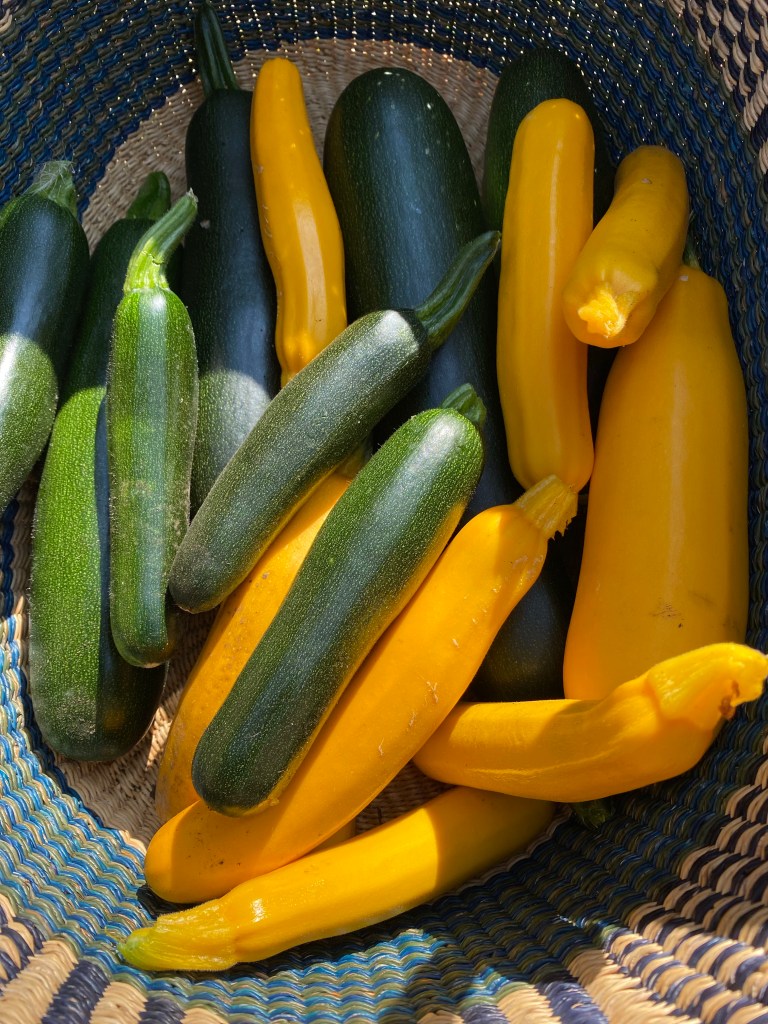
In a bid to have something robust enough to compete with the weeds, I decided on zucchini plants. I sowed a bunch of seeds in small pots and almost all of them sprouted within days. Once they reached a height of 5-10 cm, I transplanted them to the garden bed, gave them a good watering, and headed off to Austria. Since then, I hadn’t touched them. No watering, no weeding – nothing. And now, I’ve reaped the first harvest: a whopping 3 kg! Absolutely mind-blowing!

It’s nothing short of miraculous that the plants neither withered from drought, got devoured by slugs, nor rotted away. It was a gamble that could’ve gone either way. Relying on such a carefree approach isn’t typically recommended. But I’m delighted I took a chance. This experience has instilled a newfound peace in me. It’s a reminder that not everything in the garden needs meticulous attention or perfectly timed sowing. Sometimes, things just work out – with a sprinkle of luck, of course!

A Heartfelt Note of Gratitude

In reflection, this unexpected bounty from the garden has served as a beautiful reminder of life’s unexpected gifts. It’s easy to become entwined in our meticulous plans and efforts, often forgetting that nature, with its rhythm and wisdom, often has its own designs. This year, as I look at the flourishing zucchini and the thriving potatoes, I’m overwhelmed with gratitude. Not just for the produce, but for the humbling lessons and the joy of witnessing the garden’s resilient spirit. It teaches us to appreciate the surprises, to be thankful for the little miracles, and to always remain hopeful. Because sometimes, when left to its devices, nature unfurls in ways more wondrous than we could have ever orchestrated. So, here’s to every unplanned bounty, every stroke of luck, and every moment of pure, unanticipated joy. Thank you, Mother Nature, for the blessings in disguise.

Read about the insights and aspirations that shaped this year’s gardening plans here.

Bountiful zucchini harvest from a carefree garden

Essential Harvesting Tools Every Gardener Should Own 

This post contains affiliate links.

Harvest Apron
Though I haven’t treated myself to a harvest apron yet, I’m certain that once I do, it will quickly become indispensable. Imagine being able to gather your produce hands-free, simply collecting as you go. Pure magic! My plan is to craft one during the winter, a time when the garden requires less attention. And of course, I’ll share a step-by-step guide, perhaps even a video tutorial right here for you. But if you can’t wait or aren’t inclined to DIY, there are stunning options available for purchase. Here’s a link to one that I believe is top-notch!

Harvest apron

Pruner
The ideal tool for cutting back overgrown and withered plants. I also find it perfect for harvesting veggies with thicker stems, like zucchinis or small pumpkins. A sharp, well-maintained blade ensures clean cuts, making your job hassle-free. Check out this high-quality pruner I recommend.

Pruner

Pruning Saw
A pruning saw is particularly essential when dealing with sizable pumpkins. For a neat cut and an optimal stem length, this tool gives you perfect control. Besides its harvesting benefits, it’s also great for autumn pruning of fruit trees and robust shrubs. Fiskars is a brand I truly vouch for – its products promise quality and durability!

Pruning saw

Top-Notch Scissors
A pair of stellar scissors is a must during the harvest season! Their versatility is endless: from harvesting bunches of parsley, cilantro, and other herbs, to snipping away ties amongst tomatoes and beans, or even cutting down clusters of tomatoes and grapes. The list goes on. I never set foot in the garden without scissors in my pocket. And if ever I forget them, it’s mere minutes before I realize their necessity.

Scissors

Border Fork
Being a self-sufficient gardener means limited machinery for me. Most crops are no fuss given the manageable quantities I grow. But when it comes to potatoes – a staple in our garden – the right tool is non-negotiable. I swear by the border fork to delve beneath the plant and unearth every potato it has nurtured. Traditional large shovels make the job dauntingly heavy, while a smaller spade or bare hands may leave some potatoes unharvested. The border fork, however, aerates the soil, ensuring you retrieve each hidden gem.

Border fork

In the world of gardening, the right tools can truly elevate your experience. These are my top picks, and I’d love to hear about your essential tools in the comments below!

Cover image by Anna Tukhfatullina

“Unleashing Your Unique Gardening Style for a Blooming Backyard”

Welcome to a blog post that delves deep into the art and science of gardening and the profound influence your personal style has on your green corner. This exploration not only paves the way for understanding your gardening quirks and practices but also broadens your perspective about the myriad ways gardening is perceived and practiced. Through this post, you’ll gain insightful knowledge about how your unique gardening style can shape the beauty and bounty of your garden. Moreover, you’ll uncover effective strategies to embrace your gardening style, thereby enhancing your satisfaction and affection for your garden.

Ever found yourself comparing your garden with others? Do you feel your garden doesn’t quite live up to your expectations? Do you persistently plant the same crops only to face disappointment? I can relate, as these thoughts often cross my mind, draining my energy and creativity. But, fear not! I’ve stumbled upon a mindset that provides a fresh perspective and I am thrilled to share it with you.

Unleashing the Power of Your Gardening Style

The significance of your gardening style is profound; it’s intertwined with your personality and leaves an indelible imprint on your garden. Are you the type who adheres to the gardening guidebook or do you blaze your own trail without much concern for the rules? Do you find yourself often underwatering or overwatering? Are you a meticulous planner, armed with elaborate to-do lists, or do you lean towards a more spontaneous approach? All these factors dictate the final outcome in your garden and create the diversity we see in gardens worldwide. It also explains why different gardeners may offer different solutions to identical problems and why we repeatedly succeed or fail in specific areas. By recognizing and embracing your gardening style, you can create a garden that is a true extension of yourself.

Identifying Your Gardening Style

So, how do you go about identifying your gardening style? It’s simpler than you think. Start by observing yourself and your garden. Mindfulness can be a powerful tool in raising your awareness about your actions and their impact on your garden. Here are a few questions to help you kickstart this process: Are your plants frequently a casualty of over or under-watering? Are you a stickler for instructions or do you let your intuition guide you? Is there a task in the garden you often overlook? Is there an aspect of gardening you find monotonous? What gardening tasks do you truly enjoy?

Selecting the Right Plants and Crops

With a clearer understanding of your gardening style, it’s time to adjust your garden and your choice of plants accordingly. If you enjoy following instructions, then make it a point to read about plants before purchasing them. Choose plants that harmonize with your gardening style. If you often forget to water, opt for drought-tolerant species. If you detest weeding, consider interplanting or cultivating ground cover plants. If you’re a gardener who trusts your instincts, that’s fantastic! Start experimenting and apply the ‘trial and error’ method. Analyze why certain plants thrived and others failed. If it’s due to your gardening practices, consider not planting that particular crop next year.

Conclusion

Your contribution to your garden is invaluable, and a deeper awareness of your gardening style can pave the way for greater success and a reduction in frustration. By cultivating plants that align with your style, you can make your gardening journey more enjoyable and take pride in your personal haven. Your garden, in essence, becomes a reflection of your personality. So, the next time you take a sneak peek over your neighbor’s hedge, you may uncover something unique about their gardening style!

I’m eager to hearing about your unique gardening styles and learning about any adjustments or innovations you’re considering for your own gardening practice. Is there a specific plant or crop that consistently poses a challenge, demanding relentless efforts each year? In my case, it’s cabbage… Despite my best efforts, I consistently struggle with adequately protecting the plants, often leading to numerous pest invasions. Yet, I stand undeterred and resolute in my refusal to back down. After all, where’s the fun in gardening without a few trials and tribulations along the way!

Spring Gardening Tips: Kickstart Your Growing Season and Spread Plant Joy

With the last days of winter still lingering, yet the soft whispers of spring beckoning, here are some tips to inspire you and ease your eager green fingers into the new growing season. Hopefully, you’ll also find ways to spread some plant love and motivation among your gardening buddies.

Share the Gardening Excitement

Being part of a community of plant enthusiasts is such a delight! There’s a unique thrill when a gardening friend shares a photo of a seed packet, a new plant, or a ripe fruit. Or when we sit down together, discussing cultivation plans, soil types, watering strategies, and recipe ideas. I challenge you to spread some gardening inspiration to a friend. It could be a picture, a message, some seeds, or even a small plant. Better yet, spend some quality time together – sowing seeds, repotting plants, visiting a nearby park, or even a trip to a garden center. Feel free to share your experiences in the comments. Remember, gardening together makes the experience even more rewarding!

Multiply Your Houseplants

A few weeks ago, my mother was repotting her indoor plants – some were divided into smaller pots while others graduated to larger ones. If you’re like us, you might not have room for lots of new pots. Why not make use of these surplus plants by gifting them to someone you care about? It’s an excellent way to say “I appreciate you” or “Sorry, I ran out of window space, can you squeeze this plant into yours?” I find that taking care of plants gifted by loved ones brings an added layer of joy to my plant care routine. So, why not share the love?

Embrace the Signs of Spring

Spring is almost here, at least in southern Sweden. It’s easy to get caught up in the flurry of sowing and planting without pausing to appreciate the transformation happening around us. As nature rouses from its long winter slumber, it’s genuinely enchanting to witness the rebirth of life around us. Try to slow down and observe the small miracles of spring – the sprouting leaves, the swelling buds, the returning birds, and the awakening insects. Let’s not just be sun seekers, but also ground observers. Take time to notice and revel in the signs of spring unfolding around you.

Let’s welcome the new season with open hearts and excited green thumbs. Here’s to a fantastic growing season filled with joy, sharing, and the wonder of nature’s renewal.

Spring Gardening Tips: Kickstart Your Growing Season and Spread Plant Joy

With the last days of winter still lingering, yet the soft whispers of spring beckoning, here are some tips to inspire you and ease your eager green fingers into the new growing season. Hopefully, you’ll also find ways to spread some plant love and motivation among your gardening buddies.

Share the Gardening Excitement

Being part of a community of plant enthusiasts is such a delight! There’s a unique thrill when a gardening friend shares a photo of a seed packet, a new plant, or a ripe fruit. Or when we sit down together, discussing cultivation plans, soil types, watering strategies, and recipe ideas. I challenge you to spread some gardening inspiration to a friend. It could be a picture, a message, some seeds, or even a small plant. Better yet, spend some quality time together – sowing seeds, repotting plants, visiting a nearby park, or even a trip to a garden center. Feel free to share your experiences in the comments. Remember, gardening together makes the experience even more rewarding!

Multiply Your Houseplants

A few weeks ago, my mother was repotting her indoor plants – some were divided into smaller pots while others graduated to larger ones. If you’re like us, you might not have room for lots of new pots. Why not make use of these surplus plants by gifting them to someone you care about? It’s an excellent way to say “I appreciate you” or “Sorry, I ran out of window space, can you squeeze this plant into yours?” I find that taking care of plants gifted by loved ones brings an added layer of joy to my plant care routine. So, why not share the love?

Embrace the Signs of Spring

Spring is almost here, at least in southern Sweden. It’s easy to get caught up in the flurry of sowing and planting without pausing to appreciate the transformation happening around us. As nature rouses from its long winter slumber, it’s genuinely enchanting to witness the rebirth of life around us. Try to slow down and observe the small miracles of spring – the sprouting leaves, the swelling buds, the returning birds, and the awakening insects. Let’s not just be sun seekers, but also ground observers. Take time to notice and revel in the signs of spring unfolding around you.

Let’s welcome the new season with open hearts and excited green thumbs. Here’s to a fantastic growing season filled with joy, sharing, and the wonder of nature’s renewal.

Gearing Up for 2023: The Future of Self-Sustaining Gardens

The dawn of a new year always brings anticipation, hope, and plans for the months ahead. This 2023, I’ve decided to gaze into the proverbial crystal ball and lay down a roadmap for our garden – one that meets the unique challenges this year brings.

Aref and I will be ushering in some significant changes in our lives, with him working abroad intermittently. The implications? Our beloved garden will need to evolve into a more self-reliant space. While the very thought is exhilarating, it also unfurls a carpet of concerns – dehydration and those relentless weeds topping the list. But as every gardener knows, for every problem, there’s always a solution, or in our case, multiple!

1. Embracing Cover Cropping:
For those unfamiliar, think of this as a protective blanket for the soil. By using grass clippings to envelop the ground around our plants, we intend to retain moisture and deter those pesky weeds. It’s an age-old method with promising results.

2. The Magic of Interplanting:
Nature thrives in unity. We plan to adopt the technique of growing crops side-by-side, especially those that complement each other. Imagine zucchinis nestling with corn, or butternut squash playing companion to beans. This symbiosis not only keeps the weeds at bay but also ensures the soil remains shielded from the harsh sun.

3. Automating Hydration:
Our greenhouse poses a unique challenge. With no rainfall seeping in, we must be extra vigilant. While some of our deep-rooted plants, like grapes, have the luxury to draw water from the outer edges due to the lack of flooring, others aren’t so fortunate. We’re still brainstorming the perfect automatic watering system, but trust that we’ll land on a solution soon.

4. Going Pot-less:
To mitigate dehydration risks, we’re bidding adieu to pots this year. Direct ground planting will be our modus operandi, ensuring the roots have consistent access to moisture.

5. The Power of Pre-cultivation:
While it’s ambitious to pre-cultivate everything, we’ll aim high! Giving our seeds a head start indoors should, in theory, give them an edge over the weeds.

Despite our best-laid plans, nature, with its inherent unpredictability, will throw its curveballs. We anticipate a few casualties to pests, dehydration, or the fierce competition of weeds. However, the silver lining remains – many plants will not just survive, but thrive. And I hold onto the conviction that our garden will grace our plates generously this year as well.

Whant to know what happend? Check it out here!

Covering the garlic with grass clippings (pic from 2022)
Planting out big plants to get a head start on the weeds (pic from 2022)