Reaping the Harvest: A Time for Gratitude

The harvest season is synonymous with bustling activity and is also an opportune moment to embrace gratitude. Amid the busy schedules of reaping, processing, children going back to school, and many resuming work after vacations, taking a moment for thankfulness might seem counterintuitive. But if you’ve been looking to cultivate a sense of gratitude, there couldn’t be a more fitting time than now.

In every garden, certain crops, fruits, or berries might flourish more than others each year. The relative success or failure isn’t the focal point here. When practicing gratitude, comparisons have no place. It’s not about measuring against past yields or other crops. It’s about feeling grateful for exactly what you’ve received. Embracing this mindset anchors us firmly in the present.

The Subtleties of Genuine Gratitude

It’s easy to deceive oneself into believing they’re feeling gratitude in the moment without actually delving into comparative evaluations. Let’s assess a few familiar statements:

  • “I’m so grateful that this year’s potato yield was better than last year!”
  • “I’m thankful my blueberry plants flourished when I had doubts!”
  • “The corn didn’t fare well, but thankfully, we got a lot of pumpkins!”
  • “I’m grateful for that single chili, though I wish we had more.”

Sound familiar? Many of us are conditioned to evaluate and compare. We label things as good or bad, commend each other, and classify matters as abundant or scarce. This isn’t inherently wrong. It’s a method to simplify the world and interact in universally understood terms. But while fostering gratitude, try sidelining this comparative mindset. Consider:

  • “I’m grateful for the potatoes.”
  • “I’m thankful for the blueberries.”
  • “I’m grateful the pumpkins.”
  • “I’m thankful the chili.”

It’s as straightforward as that. Yet, isn’t it tempting to add a little “but” after each statement? Resist that urge! Halt that thought before it veers into making excuses, comparisons, or judgments. Simply relish the gratitude, right here and now.

Wishing you bountiful blessings!

Cover image by RDNE Stock project
Picking Blueberries with Kids: The Ultimate Practice of Patience

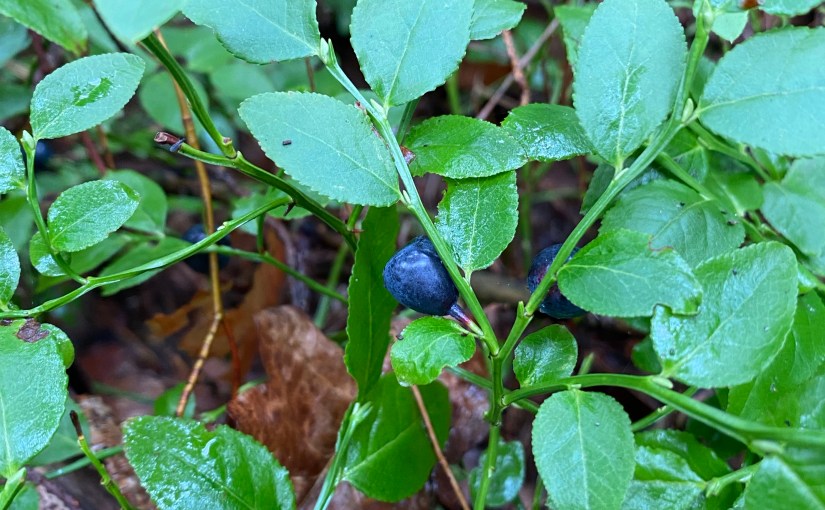
Before parenthood, my blueberry-picking adventures resembled a well-oiled machine. I’d zoom through the forest, swiftly and efficiently collecting buckets full of juicy blueberries to fill my freezer. However, with kids in tow, the blueberry-picking experience has transformed entirely.

First and foremost, there’s the challenge of coaxing them into the forest. On our path, every snail, intriguing stick, radiant flower, and beetle demands attention. Each one must be meticulously inspected and appreciated before we can proceed. Once we venture deeper into the woods, the adventure continues. There are branches perfect for balancing acts, and rocks just waiting to be scaled. Patience, indeed!

Finally, we reach our destination: the blueberry haven. As I settle down to pick, my child’s enthusiasm to join in lights up my heart. So, we pick together, engaging in heartwarming conversations amidst the blueberry bushes. This quality time amidst nature becomes more valuable than any bucket of berries.

But, as lunchtime looms, our little adventure wraps up. As I look into our container, just a handful of blueberries grace the bottom. The freezer might remain berry-less this time, but the day offers something even more precious: a perfect lesson in mindfulness, taught by the best teachers – our children!

Gardening and Embracing the Art of Letting Go

In the gentle realm of gardening, there lies a profound lesson on one of mindfulness’s core attitudes: letting go. This blog post delves deep into how our gardens can teach us the practice of letting go and how this simple act can have profound effects in other facets of our lives. After all, embracing the present moment often means releasing the past or our preconceived notions.

Understanding the Nature of Gardens

Nature, in all its untamed beauty, refuses to be completely controlled. This is true for our gardens as well, regardless of our best efforts to shape them. While certain aspects remain within our grasp, others elude our control. The dynamics change with people, gardens, seasons, and years. And just as mindfulness isn’t about mastering something to use constantly in every life scenario, it’s about knowing when and where to apply it.

The Essence of Letting Go

Is letting go synonymous with admitting defeat? Far from it. Letting go stands in stark contrast to the act of desperately holding on. It’s a journey from confinement to liberation. Intense desires often lead us to a point where our fixation becomes suffocating. Sometimes, the tighter we grip, the more detrimental it becomes, especially if our efforts seem fruitless. The challenge then is not about how much we’ve invested but about finding the courage to release. In setting ourselves free from these chains, not only do we find peace, but often, the universe surprises us in ways we hadn’t imagined, opening doors we hadn’t noticed while we were too focused on a closed one.

Practicing Letting Go in the Garden

My garden has taught me countless lessons. Have you ever nurtured your plants to the point they withered? Or been so engrossed in one aspect that others were left neglected? Or pursued garden perfection only to be left feeling drained? The garden offers endless opportunities to practice letting go. From allowing nature to take its wild course, to moving away from perfectionism, to discarding plants that no longer serve their purpose. For instance, discarding frail tomato plants might be difficult, especially when you’ve invested so much love. Yet sometimes, holding on brings more pain than release. Whether it’s the towering weeds or the unkempt lawn, sometimes the best action is inaction. After all, a few imperfections don’t define your garden’s beauty or worth.

From the Garden to Life

Our gardens become our safe haven, free from judgment, allowing us to practice letting go. With every lesson learned among the flowers and leaves, we find the confidence to apply the same in life’s broader canvas. Letting go isn’t about giving up; it’s about making space. Just like taking a breath, releasing it, and making room for the next.

It’s time to stroll into your garden, shedding any notions of perfection or predetermined standards. Embrace it for what it is, and you’ll find yourself looking at it – and perhaps life – with rejuvenated eyes.

Post image: Ksenia Chernaya

Unveiling Acceptance: A Vital Key in the Nine Attitudes of Mindfulness

Dive into a critical component of mindfulness in this blog post: acceptance. Being one of the nine attitudes shaping our day-to-day life, acceptance guides us like a compass through a spectrum of situations, from the mundane to the monumental. While acceptance can be a challenging concept, its transformative potential is simply staggering. This article will not only break down the multifaceted concept of acceptance but also share how to integrate it into different aspects of your life. Particularly, we will discover how this approach can be cultivated through gardening, nourishing both your personal growth and your connection with nature.

The Power of Acceptance Contrary to popular belief, acceptance is far from passive—it’s a potent force! It’s the cornerstone that allows you to respond to situations most effectively. Only by acknowledging and accepting the reality of circumstances can you make the informed decision to act or not, thereby steering towards the outcomes you desire. Acting without understanding and accepting the facts could result in misguided decisions and may leave you miles away from your goal. Acceptance provides the foundation for your journey, and it’s you who charts the course from there. Embracing acceptance can also bestow a sense of serenity, enabling you to let go and simply be present.

The Journey to Self-Acceptance 

At the heart of acceptance is a crucial concept: self-acceptance. It’s about embracing your authentic self, without the filters of societal expectations or personal aspirations. Is it an easy feat? Probably not. It’s likely a lifelong journey. But every small step counts. Recognizing and accepting our true selves gives us the autonomy to either continue our current path or venture onto a new one. It presents the potential for change as well as the freedom to appreciate what we already have and who we already are.

Gardening as a Metaphor for Acceptance 

Gardening offers an excellent platform for practicing acceptance. The garden is a realm where we have limited control, and changes can only be achieved by accepting the fundamental conditions. For instance, stubbornly planting a seed in frozen soil, ignoring the cold grasp of winter, will leave you with a barren patch—the seed simply won’t germinate. Ignoring a drought and pretending it’s raining will only lead to the demise of your plants. Acceptance in such scenarios translates into action—we water our plants during droughts.

To Act or Let Be 

Acceptance not only equips us with the ability to take action but also the strength to allow things to be as they are. We often find ourselves striving to change aspects that might not require alteration. Embracing the reality of these situations can liberate us from futile struggles, freeing up energy for other areas of our lives. Interestingly, once we accept situations, they often begin to resolve themselves in unexpected ways. While it might seem magical, it’s more about the energies we invest or choose not to invest—and both paths can lead to profound results.

In Conclusion, the art of acceptance can lead to seemingly magical outcomes. In essence, it bestows upon you the power to choose your path. 

How has gardening, or your interaction with nature, aided you in practicing acceptance? Is acceptance a concept you find difficult or relatively easy to embrace? I would love to hear your experiences and insights in the comments, facilitating a space where we can learn and grow together!

“Unleashing Your Unique Gardening Style for a Blooming Backyard”

Welcome to a blog post that delves deep into the art and science of gardening and the profound influence your personal style has on your green corner. This exploration not only paves the way for understanding your gardening quirks and practices but also broadens your perspective about the myriad ways gardening is perceived and practiced. Through this post, you’ll gain insightful knowledge about how your unique gardening style can shape the beauty and bounty of your garden. Moreover, you’ll uncover effective strategies to embrace your gardening style, thereby enhancing your satisfaction and affection for your garden.

Ever found yourself comparing your garden with others? Do you feel your garden doesn’t quite live up to your expectations? Do you persistently plant the same crops only to face disappointment? I can relate, as these thoughts often cross my mind, draining my energy and creativity. But, fear not! I’ve stumbled upon a mindset that provides a fresh perspective and I am thrilled to share it with you.

Unleashing the Power of Your Gardening Style

The significance of your gardening style is profound; it’s intertwined with your personality and leaves an indelible imprint on your garden. Are you the type who adheres to the gardening guidebook or do you blaze your own trail without much concern for the rules? Do you find yourself often underwatering or overwatering? Are you a meticulous planner, armed with elaborate to-do lists, or do you lean towards a more spontaneous approach? All these factors dictate the final outcome in your garden and create the diversity we see in gardens worldwide. It also explains why different gardeners may offer different solutions to identical problems and why we repeatedly succeed or fail in specific areas. By recognizing and embracing your gardening style, you can create a garden that is a true extension of yourself.

Identifying Your Gardening Style

So, how do you go about identifying your gardening style? It’s simpler than you think. Start by observing yourself and your garden. Mindfulness can be a powerful tool in raising your awareness about your actions and their impact on your garden. Here are a few questions to help you kickstart this process: Are your plants frequently a casualty of over or under-watering? Are you a stickler for instructions or do you let your intuition guide you? Is there a task in the garden you often overlook? Is there an aspect of gardening you find monotonous? What gardening tasks do you truly enjoy?

Selecting the Right Plants and Crops

With a clearer understanding of your gardening style, it’s time to adjust your garden and your choice of plants accordingly. If you enjoy following instructions, then make it a point to read about plants before purchasing them. Choose plants that harmonize with your gardening style. If you often forget to water, opt for drought-tolerant species. If you detest weeding, consider interplanting or cultivating ground cover plants. If you’re a gardener who trusts your instincts, that’s fantastic! Start experimenting and apply the ‘trial and error’ method. Analyze why certain plants thrived and others failed. If it’s due to your gardening practices, consider not planting that particular crop next year.

Conclusion

Your contribution to your garden is invaluable, and a deeper awareness of your gardening style can pave the way for greater success and a reduction in frustration. By cultivating plants that align with your style, you can make your gardening journey more enjoyable and take pride in your personal haven. Your garden, in essence, becomes a reflection of your personality. So, the next time you take a sneak peek over your neighbor’s hedge, you may uncover something unique about their gardening style!

I’m eager to hearing about your unique gardening styles and learning about any adjustments or innovations you’re considering for your own gardening practice. Is there a specific plant or crop that consistently poses a challenge, demanding relentless efforts each year? In my case, it’s cabbage… Despite my best efforts, I consistently struggle with adequately protecting the plants, often leading to numerous pest invasions. Yet, I stand undeterred and resolute in my refusal to back down. After all, where’s the fun in gardening without a few trials and tribulations along the way!

Grounding in Nature: Reap the Benefits of Barefoot Gardening and Earthing Practices

Engaging in gardening while barefooted offers an unparalleled opportunity to bond with Mother Earth and reap the benefits of earthing. In this post, we delve into the practice of earthing, shedding light on how barefoot gardening can enhance your overall wellness.

The advent of summer signals the perfect time to slip off your shoes. As a child, I was an avid barefoot explorer, indifferent to the terrains I trod upon—be it asphalt, gravel, grass, sand, or pine-strewn forest paths. However, as I matured, my perception transformed. The sensation of sand squishing between my toes started to bother me, the harshness of gravel became unbearable, and the touch of damp grass was no longer a favorite.

But, as it’s often said, change is the only constant. My perspective has taken a new turn, and I’ve rekindled my love for strolling barefoot. Despite the occasional discomfort and minor impracticalities, I sense its inherent benefits. I believe that it gifts me an extraordinary connection—a profound bond with the planet we inhabit. When I consciously experience the diverse terrains beneath my feet, it enlightens me in various ways.

I find myself developing heightened awareness of my feet—the toes, heels, and the weight they bear. The way I walk. The manner in which my feet interact with the underlying surface. The tangible contact with the stone, grass, and sand. I learn to appreciate the unique textures of various terrains, establishing an intimate connection.

In conclusion, the simple act of shedding your shoes and grounding yourself through barefoot gardening is more than just a quirky hobby—it’s a holistic approach to embracing nature’s subtle miracles. By indulging in this practice, you’re inviting an awakening of your senses, a renewed mindfulness, and a profound respect for our Earth. As the delicate variations of the world beneath our feet stimulate our awareness, we are reminded of the beautiful interconnectedness of life. So, the next time you venture into your garden, I encourage you to consider doing so barefoot. Embrace the opportunity to ground yourself physically and spiritually, all while nurturing the vibrant life that springs from the soil beneath you. Here’s to healthier, more mindful experiences with our remarkable planet!

Mindful Plant Care: Deepening Your Connection with Nature and Boosting Plant Health

Intro: Caring for plants can be a deeply rewarding and mindful practice. In this post, we’ll discuss how to connect with your plants on a deeper level by practicing mindfulness, offering practical tips for nurturing their growth while cultivating your own presence and well-being.

Embracing the Full Experience of Your Plant through Mindfulness

While it might sound a bit unconventional, the goal is to truly immerse yourself in the experience of your plant by practicing mindfulness. Often, we quickly pass by with a watering can, splashing some water, maybe removing a withered leaf, or pulling out some weeds. But taking the time to look, feel, smell, and even taste the plant can provide an incredibly beautiful and meaningful experience. It can also help us detect pests or diseases on our plants more quickly—a win-win!

Mindful Observation: Seeing Your Plant with Fresh Eyes and Enhancing Plant Health

Start by choosing a plant for mindful observation. Look at it, and I mean really look! Observe the shades of the leaves, the different parts such as the stem, leaf attachment, flower, and both the top and underside of the leaves and flower. What shapes can you see? As you observe, try to see your plant with fresh eyes, as if you’re seeing it for the first time. This practice helps you to become more aware of your plant’s needs and enhances its overall health.

Engaging Your Senses: Deepening Your Connection with Plants through Mindful Touch, Smell, Taste, and Listening

Next, engage your other senses to deepen your connection with the plant. Touch the plant. Is it smooth or rough, sharp or soft, lanky or sturdy? Smell it. Taste it, if it’s safe to do so. Listen to the sounds it makes as you touch it or as the wind rustles its leaves. By engaging your senses, you become more attuned to your plant’s needs, promoting its health and growth.

Cultivating Non-Judgment: Accepting Your Plant as It Is and Encouraging Healthy Growth

As you experience your plant, try not to judge what you see, feel, smell, taste, or hear. The plant is neither beautiful nor ugly, good nor bad. It is just as it is, right now. By practicing non-judgment, you cultivate a deeper appreciation for the uniqueness and beauty of each individual plant, which helps you provide the care and attention it needs to thrive.

Nurturing Your Plant with Love and Care for Optimal Growth and Well-being

Think of your plant as the living being it is. Just like you, the plant needs nourishment and care to grow and thrive. You might sprinkle some “gold water” or throw in a bag of fertilizer, but at the same time, you show concern for the plant, providing it with food. As you nurture your plant with love and care, you strengthen the bond between you and nature, contributing to its optimal growth and well-being.

The Benefits of Mindful Plant Care for You and Your Plants

Mindful plant care offers numerous benefits to both you and your plants:

  • Deepens your connection with nature
  • Improves your ability to detect pests and diseases early
  • Cultivates mindfulness and presence in your daily life
  • Enhances your appreciation for the beauty and intricacies of plants
  • Encourages sustainable and eco-friendly gardening practices

Conclusion: Embrace the practice of mindful plant care and experience the joys of connecting with nature on a deeper level. By nurturing your plants with mindfulness and presence, you’ll not only help them thrive but also cultivate your own sense of well-being and harmony with the natural world.

Interester in connecting with your plants right away? Listen to my Plant care meditation audio.

Have you tried doing some mindful plant care? What’s your experiences and realizations? I’d love to hear about it in the comments.

Happy gardening!
//Amanda