
As autumn draws near, the gardening season is still a fresh memory, and this is the moment we get to witness the fruits of our year-long labor in planting, tending, weeding, and watering. Many garden enthusiasts are immersed in chores around this time. Still, like me, many also try to extract the last bit of charm from their gardens before it goes dormant for the year. Hence, now is the ideal time to sit, prioritize orderliness, and jot down reflections and learnings from the past gardening year. For me, the best spot to do this is outdoors, of course!
Lessons for the Upcoming Year
What have you discovered this year that will be pivotal for your future endeavors? This could span from pure gardening wisdom to realizing a more organized tool setup. Perhaps, you need to procure some materials to simplify next year’s gardening, check the autumn sales. Reflect on your sowing and transplanting practices last spring. Was the timing right or off? Are there changes you’d like to implement in your gardening systems next year? Your list of insights might grow lengthy, but the manner of preserving this knowledge is up to you. If you’re anything like me, there’s a good chance you’ll forget a lot by next season, so it’s wise to document, one way or another.
Preserve Your Favorite Recipes
Save those recipes you’ve frequently used and loved throughout the summer. When planning your next planting season, reviewing these recipes will help you grow an abundance of your favorite ingredients. Also, keep a record of recipes related to pickling, sauces, preservation, and other value additions. Having your favorite recipes at hand during the harvest is invaluable. Searching through the internet or your cookbooks annually isn’t the most efficient or entertaining. However, always be open to experimenting with new recipes!
Document Quantity and Weight
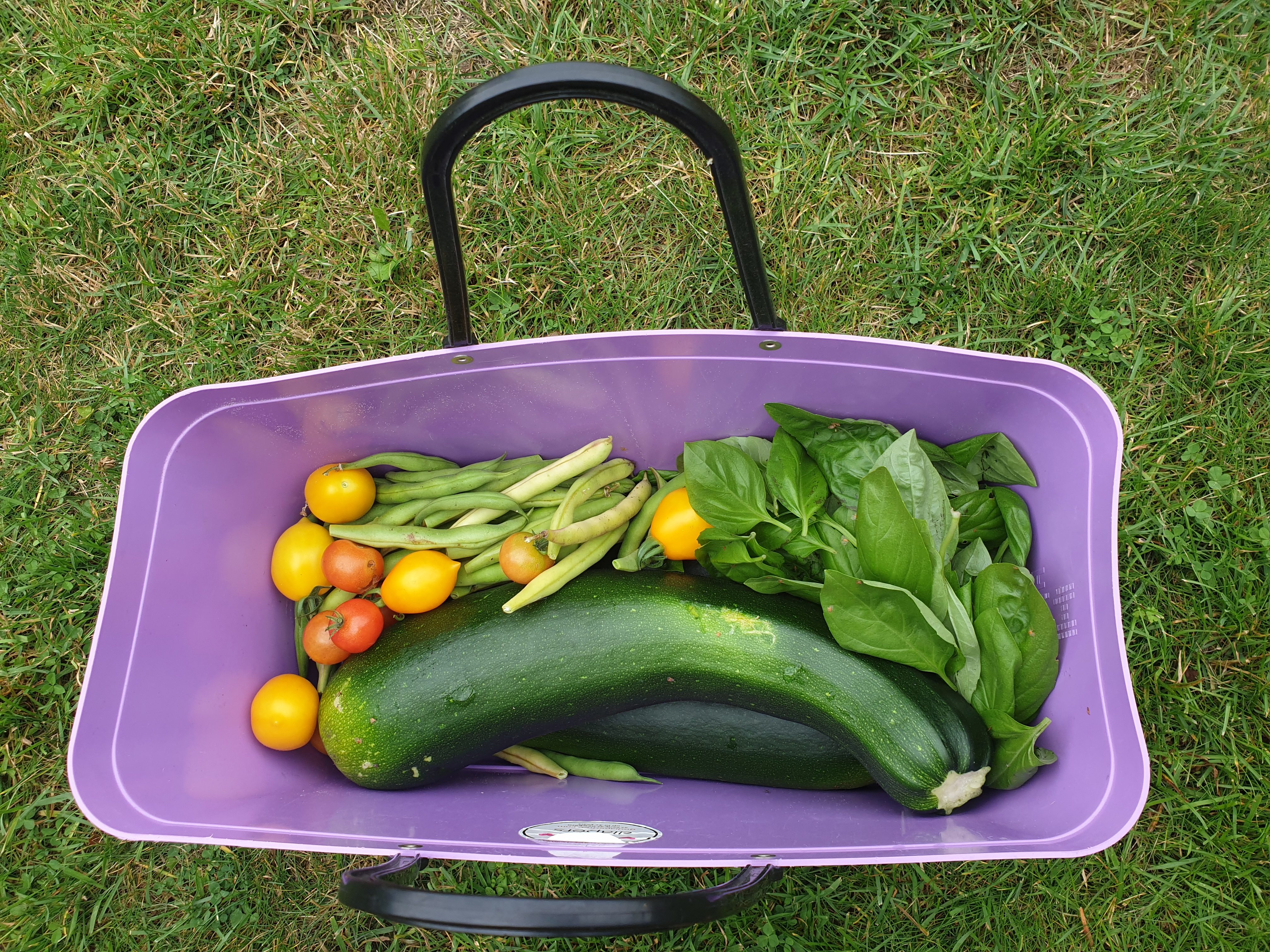
Note down your harvest, especially the produce you intend to store. In the summertime, when plucking fresh for immediate consumption, it might not always be necessary to weigh every produce. But come autumn, when harvesting in bulk for storage, it’s beneficial to know the total yield. This information helps estimate your family’s yearly consumption. It’s also worthwhile noting when you run out of specific crops, indicating what needs more planting next year if self-sufficiency is the goal. If something remains unused by the next harvest, perhaps consider planting less or discovering new recipes.
Estimate Your Family’s Annual Consumption
Documenting as advised will give you an overview of your family’s consumption from the crops you grew. However, also factor in other produce not cultivated this year. How much of various vegetables and root crops does your family consume? Do you wish to grow more of these? Some crops may be challenging to grow but essential for your diet. Do you plan on purchasing these or cultivating alternatives?
Do you have additional gardening insights to share? Please leave your thoughts in the comments. Let’s learn and inspire one another!
Warm wishes, //Amanda
Cover image by Tirachard Kumtanom





 Grounded gardens