
Spring Gardening Tips: Kickstart Your Growing Season and Spread Plant Joy

With the last days of winter still lingering, yet the soft whispers of spring beckoning, here are some tips to inspire you and ease your eager green fingers into the new growing season. Hopefully, you’ll also find ways to spread some plant love and motivation among your gardening buddies.

Share the Gardening Excitement

Being part of a community of plant enthusiasts is such a delight! There’s a unique thrill when a gardening friend shares a photo of a seed packet, a new plant, or a ripe fruit. Or when we sit down together, discussing cultivation plans, soil types, watering strategies, and recipe ideas. I challenge you to spread some gardening inspiration to a friend. It could be a picture, a message, some seeds, or even a small plant. Better yet, spend some quality time together – sowing seeds, repotting plants, visiting a nearby park, or even a trip to a garden center. Feel free to share your experiences in the comments. Remember, gardening together makes the experience even more rewarding!

Multiply Your Houseplants

A few weeks ago, my mother was repotting her indoor plants – some were divided into smaller pots while others graduated to larger ones. If you’re like us, you might not have room for lots of new pots. Why not make use of these surplus plants by gifting them to someone you care about? It’s an excellent way to say “I appreciate you” or “Sorry, I ran out of window space, can you squeeze this plant into yours?” I find that taking care of plants gifted by loved ones brings an added layer of joy to my plant care routine. So, why not share the love?

Embrace the Signs of Spring

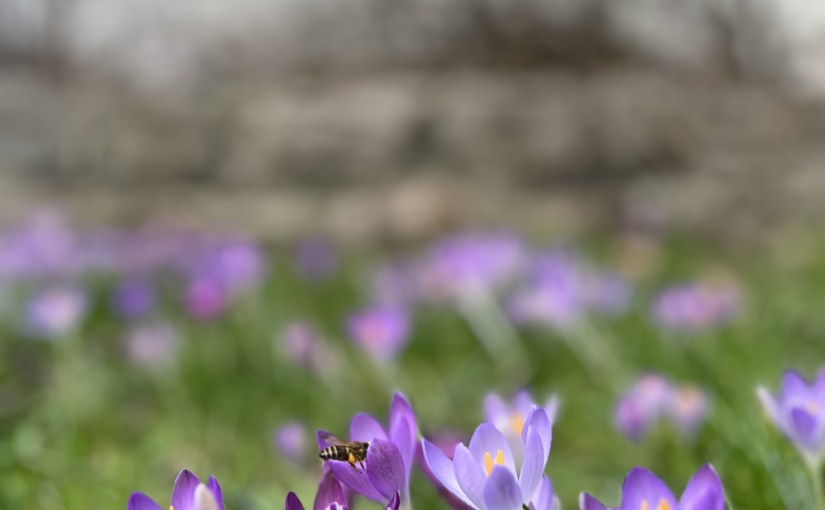
Spring is almost here, at least in southern Sweden. It’s easy to get caught up in the flurry of sowing and planting without pausing to appreciate the transformation happening around us. As nature rouses from its long winter slumber, it’s genuinely enchanting to witness the rebirth of life around us. Try to slow down and observe the small miracles of spring – the sprouting leaves, the swelling buds, the returning birds, and the awakening insects. Let’s not just be sun seekers, but also ground observers. Take time to notice and revel in the signs of spring unfolding around you.

Let’s welcome the new season with open hearts and excited green thumbs. Here’s to a fantastic growing season filled with joy, sharing, and the wonder of nature’s renewal.
Spring Gardening Tips: Kickstart Your Growing Season and Spread Plant Joy

With the last days of winter still lingering, yet the soft whispers of spring beckoning, here are some tips to inspire you and ease your eager green fingers into the new growing season. Hopefully, you’ll also find ways to spread some plant love and motivation among your gardening buddies.

Share the Gardening Excitement

Being part of a community of plant enthusiasts is such a delight! There’s a unique thrill when a gardening friend shares a photo of a seed packet, a new plant, or a ripe fruit. Or when we sit down together, discussing cultivation plans, soil types, watering strategies, and recipe ideas. I challenge you to spread some gardening inspiration to a friend. It could be a picture, a message, some seeds, or even a small plant. Better yet, spend some quality time together – sowing seeds, repotting plants, visiting a nearby park, or even a trip to a garden center. Feel free to share your experiences in the comments. Remember, gardening together makes the experience even more rewarding!

Multiply Your Houseplants

A few weeks ago, my mother was repotting her indoor plants – some were divided into smaller pots while others graduated to larger ones. If you’re like us, you might not have room for lots of new pots. Why not make use of these surplus plants by gifting them to someone you care about? It’s an excellent way to say “I appreciate you” or “Sorry, I ran out of window space, can you squeeze this plant into yours?” I find that taking care of plants gifted by loved ones brings an added layer of joy to my plant care routine. So, why not share the love?

Embrace the Signs of Spring

Spring is almost here, at least in southern Sweden. It’s easy to get caught up in the flurry of sowing and planting without pausing to appreciate the transformation happening around us. As nature rouses from its long winter slumber, it’s genuinely enchanting to witness the rebirth of life around us. Try to slow down and observe the small miracles of spring – the sprouting leaves, the swelling buds, the returning birds, and the awakening insects. Let’s not just be sun seekers, but also ground observers. Take time to notice and revel in the signs of spring unfolding around you.

Let’s welcome the new season with open hearts and excited green thumbs. Here’s to a fantastic growing season filled with joy, sharing, and the wonder of nature’s renewal.

Chili: The Fiery Flavor Booster – Growing, Harvesting, and Enjoying

Chili – the darling of flavor enthusiasts! This humble fruit packs a punch that has turned it into a culinary celebrity. Its fiery potency has caused quite a stir, with numerous daredevils competing to consume “the world’s hottest chili”. These bold endeavors do bring entertainment, showcasing the sheer power that a tiny fruit can hold. Personally, my preference leans towards a more moderate heat level – a chili that complements, not overpowers, the taste of the food. To understand the heat level of different chili varieties, the Scoville scale is a handy tool. The higher the Scoville rating, the hotter the chili.

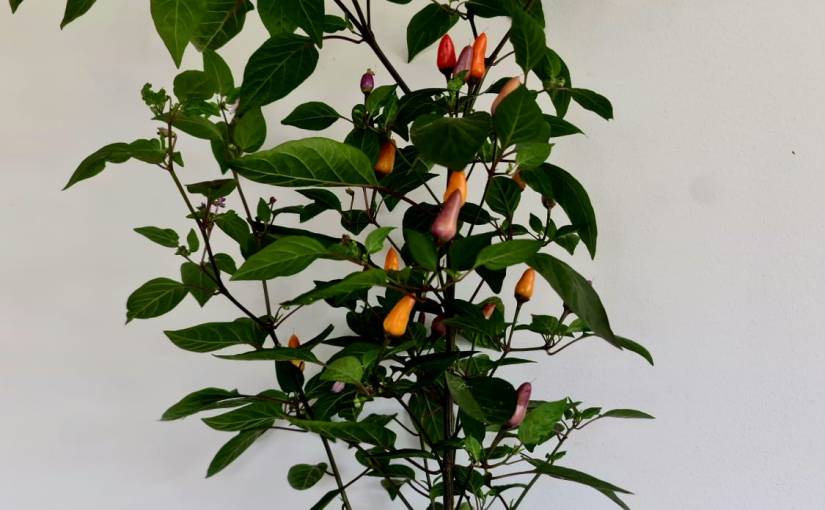
Chili offers a spectrum of colors, shapes, heat levels, growth habits, and maturation rates. Always check the seed packet or product description when buying seeds to choose a variety that fits your taste and cultivation needs. In my experience, chilies are delightfully easy to grow, thriving in various locations – a balcony, a window, a greenhouse, or even on outdoor steps. Whether you’re starting from seeds or purchasing fully-grown plants, chilies are typically prolific fruit bearers, aesthetically pleasing, and simple to store. Even better, you can save seeds from your own plants or even from a store-bought chili for planting next year – a true garden gem!

Planting Your Chili Seeds

In Sweden, and other regions with short summers, chili seeds should be sown early in the season, typically between January to March, depending on the growing zone and local climate. Chili is a light germinator, meaning the seeds should lie on top of the soil rather than being buried. Just lightly press the seeds into the soil for good contact. Initially, I buried my seeds and while they did germinate, the results were less optimal, probably with lower germination rates. Keep the soil moist after sowing by covering it with plastic, but ensure air can enter by creating holes or leaving a small opening. Watering should be done from below or using a spray bottle.

Nurturing Your Chili Plants

Once the seedlings sprout, it’s time for transplantation. Move them into a slightly larger pot filled with nutrient-rich soil, planting them deep enough for stability. Plant lights help to cultivate robust, sturdy plants. I’ve grown chili both with and without plant lights; while both work, plants grown without lights tend to be more fragile. They stretch towards the scant sunlight from the window, growing longer but not thicker in the stem.

Keep an eye on the roots – when they begin to protrude from the drainage hole, it’s time for a bigger pot. Continue using nutrient-rich soil and supplement with fertilizer or compost tea. Chilies love a warm, wind-protected spot, making them perfect for outdoor pot cultivation during summer, or planting in the greenhouse or garden. Wait until frost risk has passed before moving plants outdoors permanently. Acclimatize them first by keeping them outside during the day and indoors at night for a few days. However, always keep a weather eye open for unexpected frosty nights.

Harvesting Your Chili

Harvesting chili is straightforward – simply pick the fruits once they’ve ripened to their expected color. I’ve found that regular harvesting encourages the plant to produce more fruits. Just like other plants, chili redirects energy towards producing new fruits once ripe ones are removed. It’s perfectly fine to pick chilies before they’re fully ripe and let them finish ripening in a window. You can even experiment by tasting chilies at different ripening stages – they might vary in heat levels!

Storing and Using Your Chili

There’s a smorgasbord of ways to use your harvested chilies – dry them, grind them, create sauces, use fresh, or freeze. You could even host a fun, if daring, contest of who can eat the hottest chili – though proceed at your own risk!

During summer, we mainly use fresh chilies in our meals, chopping them into soups, stews, omelets, pies, sauces – really, the possibilities are endless. It’s always a good idea to taste the chilies before adding large quantities into your dishes – the heat levels can be tricky to reduce once added. The seeds and the white pith are where most of the heat resides, so use those parts sparingly if you prefer a milder flavor. Any unused chilies from the summer are usually dried and later ground or chopped for use in meals, just like fresh ones.

When drying chilies, I thread them onto a string, passing a needle through the chili stem, and hang them in a window. Not only does this method effectively dry the chilies, but it also creates a charming display. Be sure to space the fruits apart to prevent mold.

A word of caution: always use gloves when handling fresh chilies, even the milder varieties. Accidental eye contact after handling chilies can be unbearably painful. Chili residue is stubborn and may remain on your hands even after washing.

Quick Guide

  • Sow seeds on top of soil between January – March
  • Transplant when needed, based on root growth
  • Ensure plants receive adequate nutrition
  • Chilies prefer sunny, warm, and wind-protected environments
  • Harvest when ripe
  • Use in all foods, dry, freeze, or create chili sauce

Chilies are a flavor adventure – embark on your journey today!